Bishop Patrick Wooden Has a Serious Message for Black People
Bishop Patrick Wooden is not known for diplomatic sermons or carefully polished rhetoric.
He is known for truth—raw, confrontational, and unapologetic.
In one of his most direct messages yet, Bishop Wooden addressed Black Americans with a warning, a challenge, and a call to wake up.
His words were not designed to comfort, but to correct.
And for many listening, they struck deep.
He began by acknowledging a fundamental truth about America: despite its flaws, it remains a land of opportunity.
Bishop Wooden reminded his audience that countless people around the world risk everything—legally and illegally—to enter the United States.
Why? Because they believe that if they can just get in, they can build a better life.

They see opportunity.
What disturbed him most, however, was not those trying to get into the country—but those born here who fail to recognize its value.
“I want to talk to my people,” he said plainly.
According to Bishop Wooden, Black Americans have been systematically taught to hate the very country that provides them opportunity.
He argued that a dangerous narrative has taken root—one that convinces Black people they are powerless, oppressed beyond hope, and destined to fail no matter how hard they try.
And once that belief is accepted, the damage begins.
Bishop Wooden explained that when people are convinced they cannot succeed, they stop applying themselves.
They stop working hard.
They stop seeing possibilities.
Anger replaces ambition.

Resentment replaces discipline.
And before long, the only future they believe is available to them is destruction—crime, drugs, broken families, and incarceration.
He did not mince words.
According to him, this mindset is not accidental.
It is cultivated.
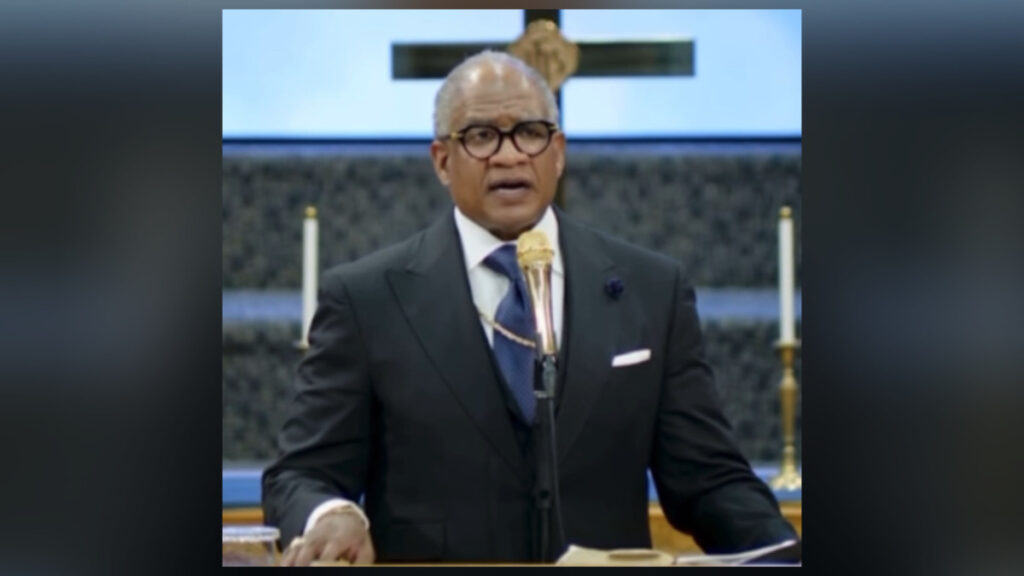
Bishop Wooden accused certain leaders, activists, and influencers of deliberately feeding Black communities a steady diet of victimhood while privately living lives of comfort and privilege.
He pointed out the hypocrisy: the same people who preach oppression live in gated communities, fly on private jets, and never return to the neighborhoods they claim to represent.
“Don’t be anybody’s fool,” he warned.
“Don’t be anybody’s simpleton.”
In his view, convincing a people they are permanently oppressed is one of the most effective ways to control them.

Once a person believes the system is rigged beyond repair, they stop trying.
And once they stop trying, they become exactly what the system expects—dependent, defeated, and distracted.
Bishop Wooden then addressed issues many avoid: work ethic, personal responsibility, and family structure.
He criticized the glorification of irresponsibility, particularly the encouragement of Sєxual recklessness without accountability.
He described a pattern where young men are encouraged to avoid commitment, father children indiscriminately, and live without foresight.
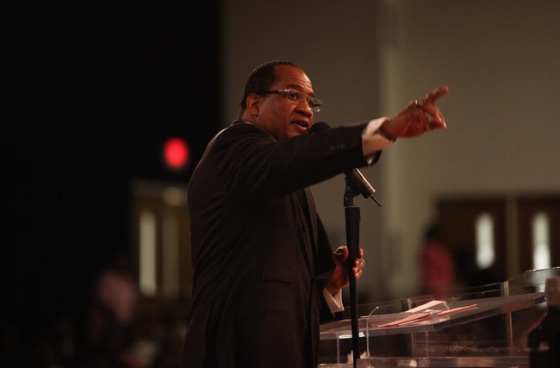
The consequences, he said, are devastating.
When those same men later desire stability—marriage, family, progress—they find themselves trapped.
Child support obligations drain their income.
New families suffer.
Opportunities shrink.
And resentment grows.
What once seemed like freedom becomes a lifelong financial and emotional burden.
“It’s a game,” Bishop Wooden said bluntly.
“And by the time you wake up, time is gone.”
He also addressed government dependency, warning that it creates an illusion of winning while quietly stealing the future.
Receiving ᴀssistance may feel like beating the system, he argued, but in reality, it often robs individuals of ambition, innovation, and long-term prosperity.
“God gave you a brain,” he reminded his listeners.
“God made you intelligent. God is a God of witty inventions.”
But wasted years can never be recovered.
One of the most sobering parts of his message was his emphasis on time.
Bishop Wooden stressed that youth is a currency.
Strength, creativity, and opportunity have seasons.
When those years are wasted through addiction, laziness, or reckless living, regret often arrives when opportunity has already pᴀssed.
This was not a message of condemnation—it was a message of urgency.
Bishop Wooden did not deny the existence of racism or injustice.
But he rejected the idea that oppression should define idenтιтy or destiny.
In his view, embracing a permanent victim mentality guarantees failure far more effectively than any external enemy ever could.
His message was clear: No one is coming to save you.
No system will do for you what discipline, wisdom, and faith can.
And believing you can’t win ensures that you won’t.
The sermon ended not with applause, but with reflection.
It forced listeners to ask uncomfortable questions about responsibility, choices, and the stories they believe about themselves.
Love, according to Bishop Patrick Wooden, is not telling people what they want to hear.
Love is telling them what they need to hear—even when it hurts.
And for many, this message did exactly that.


