The deaths of two Kings Bay Naval Submarine Base sailors in 2017 sent shockwaves through the тιԍнт-knit military community in coastal Georgia. The men died four days apart, both from overdoses linked to synthetic opioids. At first glance, the cases appeared to be individual tragedies—another grim chapter in America’s opioid crisis.
But federal investigators soon began to suspect something far more complex.
What started as a local overdose inquiry quickly evolved into a multinational cyber investigation involving the Naval Criminal Investigative Service (NCIS), the U.S. Food and Drug Administration’s Office of Criminal Investigations, the U.S. Postal Inspection Service, Customs and Border Protection, and the Royal Canadian Mounted Police.
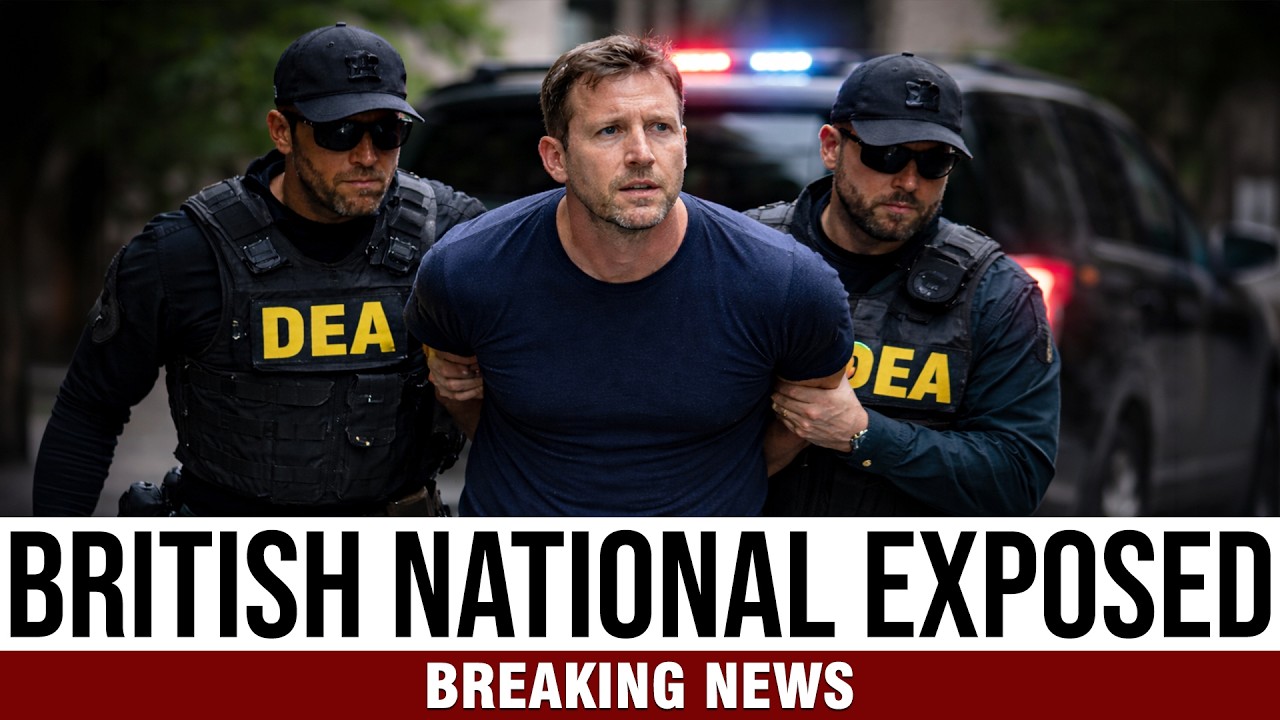
The trail did not begin on a street corner. It began on the dark web.
According to federal prosecutors, a vendor operating under the name “Canada 1” was selling synthetic opioid analogues through an online marketplace known as Dream Market. The vendor advertised global shipping from Vancouver, British Columbia, offering powders and nasal spray formulations with a chilling promise: delivery anywhere in the world.
Investigators later alleged that behind the Canada 1 persona was a British national living in Canada—Paul Anthony Nichols.
Authorities say Nichols and an ᴀssociate used a shell company called “East Van Eco Tours” as a shipping front. Packages bearing the logo of what appeared to be a legitimate tour company moved through the Canadian mail system, blending into the vast flow of international parcels.
The strategy relied on scale and invisibility. Millions of items move through postal networks daily. A small padded envelope labeled as tourism material rarely draws suspicion.
But patterns eventually emerge.
Through a combination of digital forensics and physical surveillance, investigators identified Nichols’ routine movements and shipping habits. Law enforcement intercepted more than 40 packages marked with the East Van Eco Tours branding. Testing revealed they did not contain brochures or hiking maps. They contained synthetic opioid compounds—substances significantly more potent than traditional heroin and, in some cases, containing fentanyl analogues.
Once authorities connected intercepted shipments to U.S. addresses, the investigation intensified.
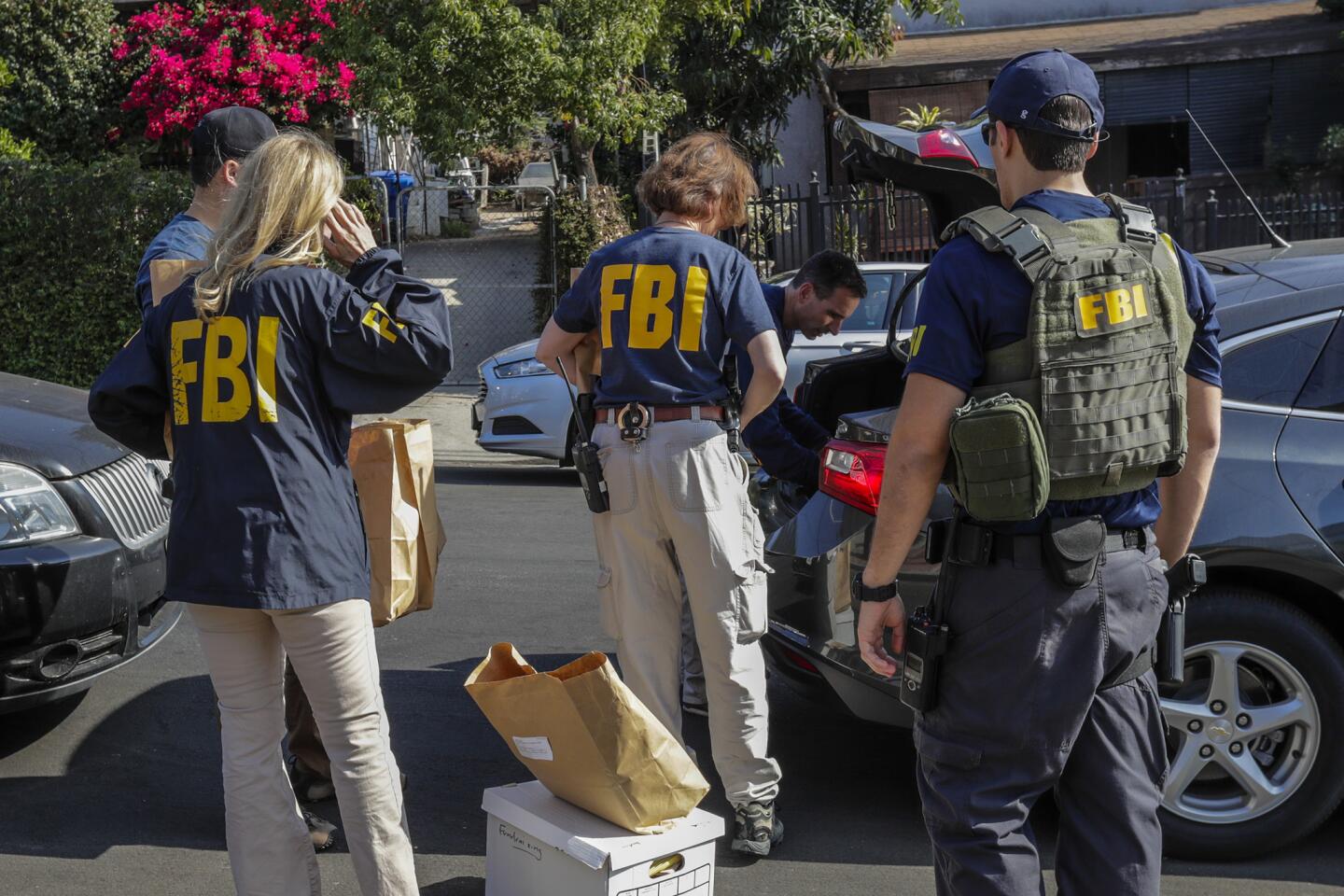
During the execution of search warrants at residences tied to Nichols and a co-conspirator, agents discovered what prosecutors later described as a major distribution hub. Expert testimony at trial indicated the seized substances had an estimated street value of approximately $24 million. Forensic chemists testified that the volume recovered represented hundreds of thousands of potentially lethal doses.
But the most pivotal evidence was not the drugs themselves. It was documentation.
Inside the residence, investigators recovered receipts and records containing tracking numbers for thousands of packages shipped globally. Among them were two specific tracking codes linked to deliveries in Kingsland, Georgia—the same time frame during which the two Navy submariners overdosed.
That discovery shifted the investigation from drug trafficking to charges involving distribution resulting in death.
Prosecutors argued that the packages delivered to Georgia contained the substances consumed by the sailors. Toxicology reports confirmed the presence of powerful synthetic opioids consistent with those sold by the Canada 1 operation.
The legal challenge, however, was significant.
Nichols was a British citizen operating in Canada. The deaths occurred in the United States. The sales took place on an encrypted online marketplace hosted overseas. Building a prosecutable case required not only technical evidence but international cooperation.

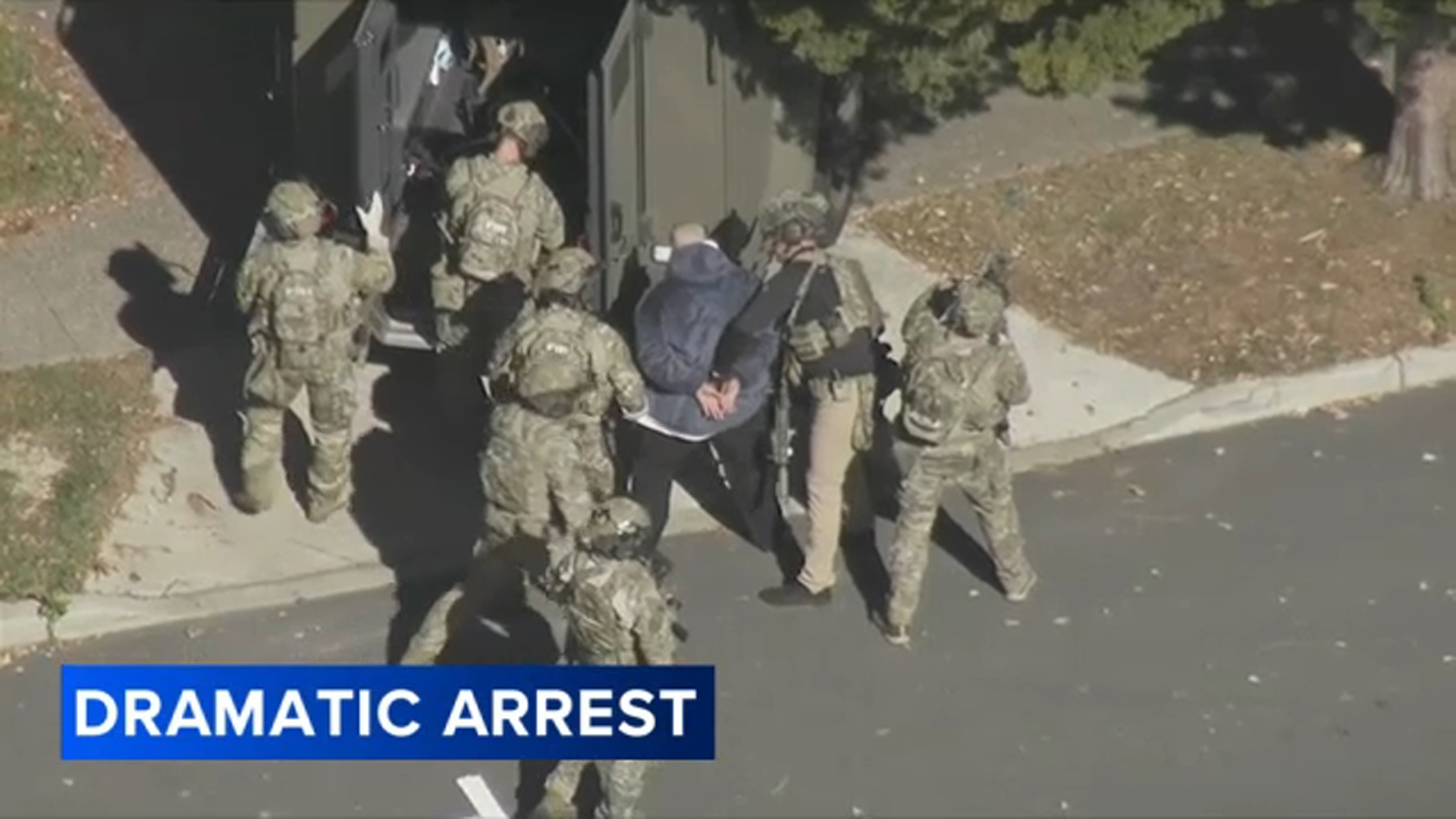
Canadian authorities executed coordinated arrests, and Nichols was ultimately extradited to the United States to face federal charges in the Southern District of Georgia.
During the four-day federal trial, jurors heard testimony from digital forensic analysts who explained how investigators linked encrypted marketplace accounts to real-world devices and shipping records. They also heard from NCIS agents who described the impact of illicit substances infiltrating military communities.
Prosecutors emphasized that the case was not an abstract cybercrime. It involved real shipments, real transactions, and real fatalities.
Defense attorneys argued that the government could not definitively prove Nichols knew the specific potency of every compound sold or that he intended fatal outcomes. However, under federal law, distributing controlled substances that result in death carries severe consequences—even absent intent to kill.
The jury ultimately convicted Nichols on two counts: conspiracy to import controlled substances resulting in death and conspiracy to distribute controlled substances resulting in death.
Under federal sentencing guidelines, those convictions carry a mandatory minimum of 20 years. Prosecutors have indicated they may seek a life sentence. In the federal system, parole is not available; any sentence imposed will be served in full, less limited good-time credits.
The case underscores the evolving nature of drug trafficking.

Unlike traditional cartels operating through physical smuggling corridors, dark web vendors rely on encryption, cryptocurrency payments, and postal systems. But as law enforcement demonstrated in this investigation, digital anonymity does not eliminate physical evidence. Servers can be traced. Packages must still move through real-world logistics channels. Tracking numbers create breadcrumbs.
Authorities also point to the broader implications for national security.
NCIS officials testified that when lethal narcotics reach active-duty service members, the impact extends beyond personal tragedy. It affects operational readiness and unit cohesion. The deaths of two trained submariners represented not only a loss to their families but to the military mission.
The seizure of $24 million in synthetic opioids likely prevented additional casualties, investigators say. Each intercepted shipment represented doses that never reached consumers.

Still, the case is not entirely closed.
Court filings note that Nichols’ alleged co-conspirator has not yet faced trial. Authorities continue reviewing shipping records to determine whether additional victims may be linked to the network.
For the families of the two sailors, the conviction provides a measure of accountability. But it cannot undo the loss.
As the sentencing phase approaches, federal officials say the case sends a clear message: operating on the dark web does not shield traffickers from prosecution, and international borders will not prevent extradition when American lives are lost.
The East Van Eco Tours logo is no longer moving through the mail. The Dream Market marketplace has since been dismantled. But the broader digital narcotics trade continues to evolve.
This investigation demonstrated that even in encrypted spaces, every transaction leaves a trace—and when those traces lead to fatal outcomes, the reach of justice can extend across oceans.


