Something Big Is Unfolding in the U.S. Economy—and Most People Are Missing It
At first glance, the U.S. economy appears conflicted.
Inflation remains a concern, interest rates are volatile, global tensions are rising, and markets feel increasingly fragile.
Yet beneath the noise, a powerful transformation is taking place—one that seasoned investors believe could strengthen America’s economic position for decades.
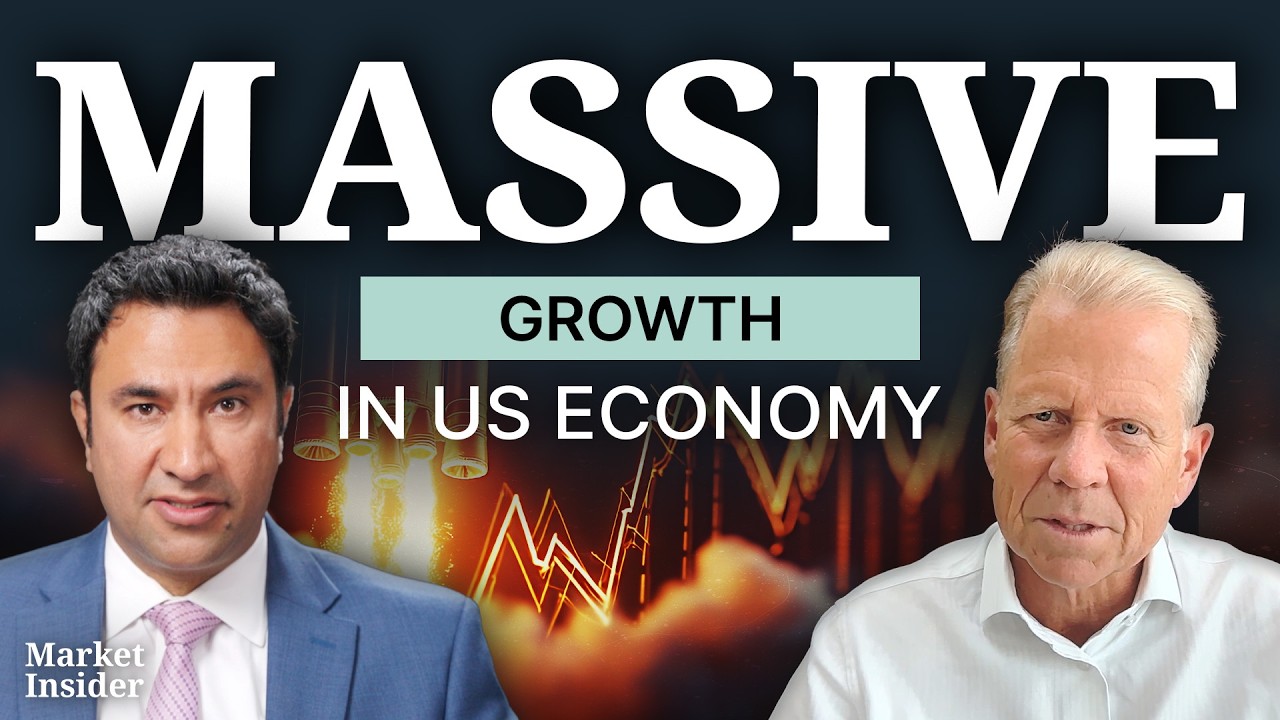
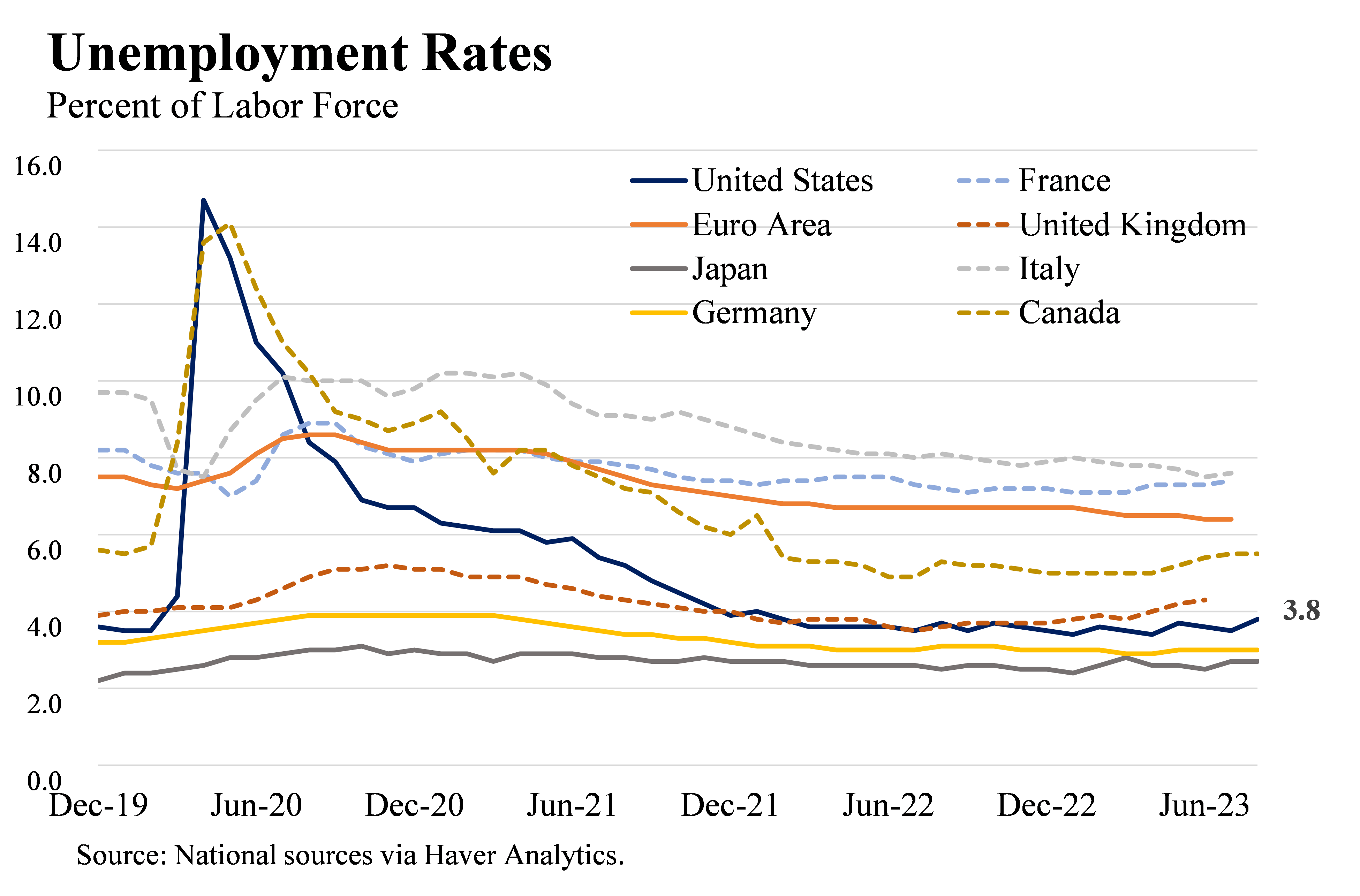
Jonathan Wellum, a veteran investor with more than three decades of experience and former leader of Canada’s largest mutual fund, sees the United States entering a pivotal new phase.
From his perspective, mᴀssive capital inflows, reindustrialization, and productivity gains are quietly changing the country’s economic trajectory.
One of the most significant developments right now is the sheer scale of capital moving into the U.S. economy.
Trillions of dollars—spread over several years—are being committed to manufacturing, energy, technology, artificial intelligence, data centers, and infrastructure.
This matters because capital investment is not pᴀssive.
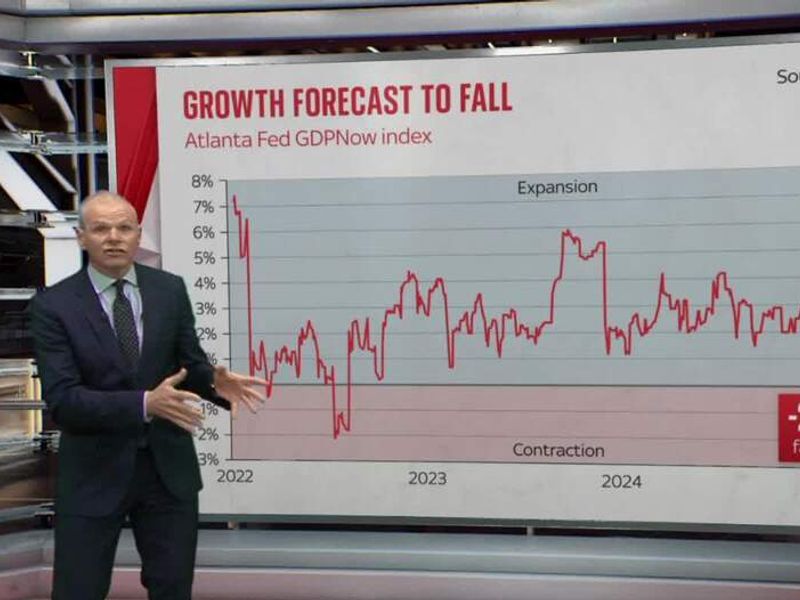
When money flows into factories, equipment, and energy systems, it creates a multiplier effect.
Economists often estimate that every dollar invested in manufacturing or resources can generate up to three dollars in GDP growth over time.
That growth spreads outward—jobs are created, wages rise, communities expand, and entire regional economies are revitalized.
Wellum argues that this reinvestment cycle is one of the most bullish signals investors can look for, especially after decades of offshoring and underinvestment.
For years, Western economies prioritized consumption and redistribution over production.

Manufacturing was outsourced.
Supply chains stretched across hostile or unstable regions.
The pandemic exposed how fragile that system had become.
Now, the tide is turning.
Factories are returning.

Semiconductor plants are being built on U.S. soil.
Energy development—oil, gas, nuclear, and renewables—is accelerating.
AI and automation are dramatically improving output per worker.
According to Wellum, the U.S. is already one of the most productive economies in the world, and these investments could push productivity even higher over the next several years.
Higher productivity is critical.

It allows economies to grow without fueling runaway inflation and helps offset the burden of mᴀssive public debt.
Despite optimism, Wellum does not dismiss the challenges.
Global debt has reached staggering levels—well over $300 trillion worldwide.
Governments have relied heavily on money creation to manage these obligations, especially since COVID.
That expansion of the money supply is a major reason inflation surged.

In Wellum’s view, inflationary pressure is unlikely to disappear entirely.
Central banks are trapped between controlling prices and preventing debt crises.
The long-term solution, however, is not endless money printing—it’s growth through production.
Producing more goods, energy, and technology increases supply, reduces costs over time, and raises wages.
That is why reindustrialization is so critical to stabilizing the system.

Rising debt and currency debasement have renewed interest in hard ᴀssets.
Gold and silver have surged dramatically, but Wellum believes their underlying drivers remain intact.
Precious metals serve as protection against declining purchasing power and systemic risk.
Silver, in particular, stands out.
Beyond its monetary role, it is a strategic industrial metal essential for electronics, solar panels, data centers, and AI infrastructure.
Demand is rising rapidly, while supply growth remains constrained.
Copper, another key material, faces similar pressures as electrification and digitization accelerate.
Energy demand itself is entering a new growth phase.
Mᴀssive data centers and AI systems consume enormous power, prompting renewed interest in nuclear energy and long-term energy security.
Another major shift underway is deglobalization.
The idea that free trade alone would guarantee peace and prosperity has fractured.

Supply chain vulnerabilities, geopolitical rivalries, and national security concerns have forced countries to rethink global dependence.
Wellum sees the U.S. actively reshaping trade around regional strength—particularly within the Western Hemisphere.
Tariffs, while controversial, are being used to rebalance trade relationships, encourage domestic investment, and reduce strategic dependence on rivals like China.
This regional approach prioritizes resilience over maximum efficiency—and that resilience may prove invaluable in an unstable world.
While Wellum is bullish on the U.S. economy, he is far more cautious about stock market valuations.

Many major indexes are trading at historically high levels, driven largely by a small group of dominant technology companies.
This creates a disconnect: the economy can grow while markets stagnate or even decline.
Wellum advises investors to focus on value—finding overlooked companies with strong fundamentals rather than chasing popular names.
Manufacturing, industrials, insurance, commodities, and infrastructure-linked businesses may benefit most from the next phase of economic expansion.
Beyond numbers and charts, Wellum highlights deeper foundations of economic strength: free speech, private property rights, and personal liberty.
He argues these principles encourage innovation, attract capital, and protect long-term wealth creation—giving the U.S. a structural advantage over many other nations.
Capital, like people, is mobile.
States with lower taxes, fewer regulations, and greater economic freedom are already drawing businesses and talent away from high-tax, high-regulation regions.
That internal shift within the U.S. is likely to accelerate.
Something major is happening in the U.S. economy—not a collapse, but a reordering.
Capital is returning.
Production is rising.
The global system is fragmenting into regions.
Risks remain, but so do historic opportunities.
For investors, workers, and businesses alike, the coming years may reward those who understand this shift early—and position themselves accordingly.


