The Prison Call That Could Reshape the Tupac Murder Trial
Nearly three decades after Tupac Shakur was gunned down in Las Vegas, the case that defined an era of hip-hop has entered a new and explosive phase. Authorities are now examining recorded jailhouse phone calls made by Duane “Keefe D” Davis—the only person currently charged in connection with the murder.
According to prosecutors, one particular call, allegedly recorded in late 2023, contains statements that may directly implicate Davis in orchestrating the killing. Investigators claim the conversation references authorization, coordination, and the chain of events that led to the fatal shooting on September 7, 1996.

If authenticated and admitted into court, such a recording could become powerful evidence.
But before anyone treats this as the final chapter, critical questions must be addressed.
Jailhouse calls are routinely recorded. Inmates are warned that conversations are monitored. From a prosecutorial standpoint, these recordings are often considered strong evidence because they capture a defendant’s own words. Unlike testimony from informants, a recorded statement can be played directly to a jury.
However, context is everything.
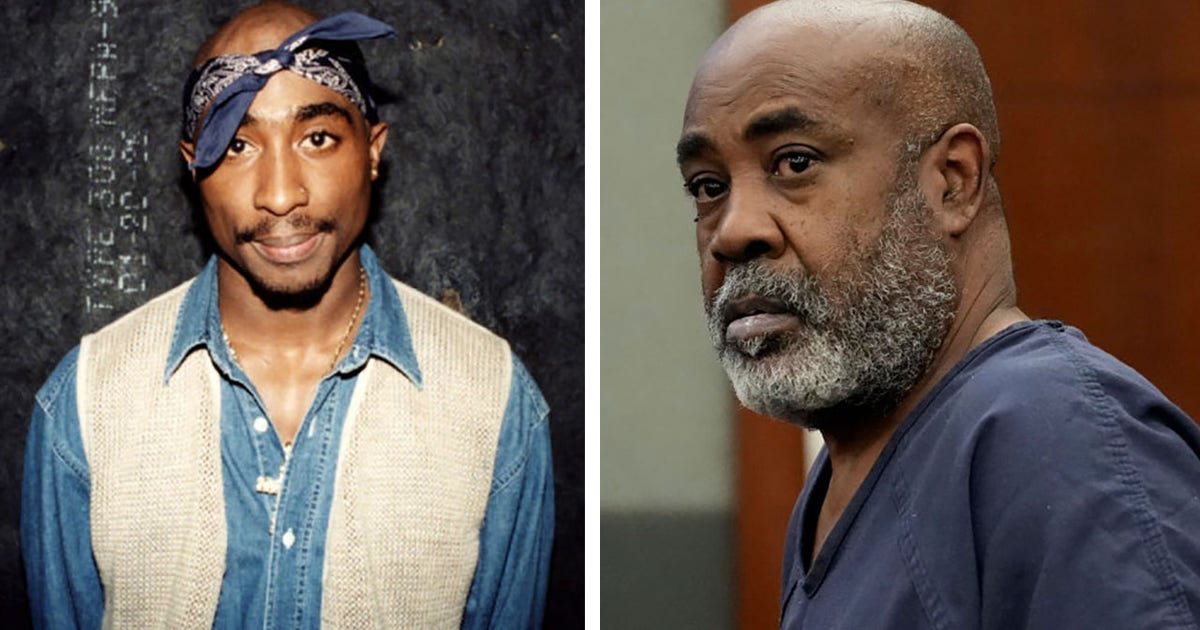
Was the call independently authenticated through forensic audio analysis? Is the publicly circulating version complete—or an edited excerpt? In high-profile cases, selective leaks can shape public perception long before a jury ever hears the full recording. A few missing seconds can alter meaning dramatically.
These concerns do not diminish the seriousness of the allegation. They highlight the importance of due process.
Davis has long been on law enforcement’s radar. In fact, he openly discussed the events of that night for more than a decade before his 2023 arrest. He appeared in documentaries, participated in interviews, and published a memoir, Compton Street Legend, in 2019. Across multiple platforms, he described being inside the white Cadillac from which sH๏τs were fired and identified his nephew, Orlando Anderson, as the alleged shooter.

Prosecutors argue that these repeated public statements form a consistent narrative that amounts to self-incrimination.
The timeline is striking. In 2008 and 2009, Davis spoke with federal authorities under what has been described as a proffer agreement—a cooperation framework that can offer limited protection for statements made during official interviews. However, legal protections under such agreements are narrow. They do not necessarily extend to statements later repeated in commercial settings or public media.
By continuing to tell and expand the story in interviews, podcasts, and print, Davis may have unintentionally weakened any legal shield he once had.

From the prosecution’s perspective, this was not a cold case growing weaker over time. It was a case strengthening through repeтιтion. Every interview added to the public record. Every detail—vehicle positioning, weapon descriptions, sequence of movements—reinforced a consistent version of events.
Yet the case is not without vulnerabilities.
There is no recovered murder weapon. The white Cadillac allegedly used in the drive-by was never found. There is no physical forensic evidence placing Davis at the shooting scene. The prosecution’s case rests heavily on statements and the legal theory of conspiracy.
That distinction matters.

Even if Davis did not pull the trigger, prosecutors allege he provided the weapon and authorized the retaliation after the MGM Grand altercation involving Orlando Anderson earlier that evening. Under conspiracy law, ordering or facilitating a murder carries the same weight as committing it.
The legal battle ahead will center on credibility.
Davis has reportedly begun distancing himself from earlier statements, suggesting that portions of his public narrative were exaggerated or shaped by others. If the defense argues that his memoir and interviews were embellished for profit, prosecutors will counter with the consistency of his statements over 15 years.
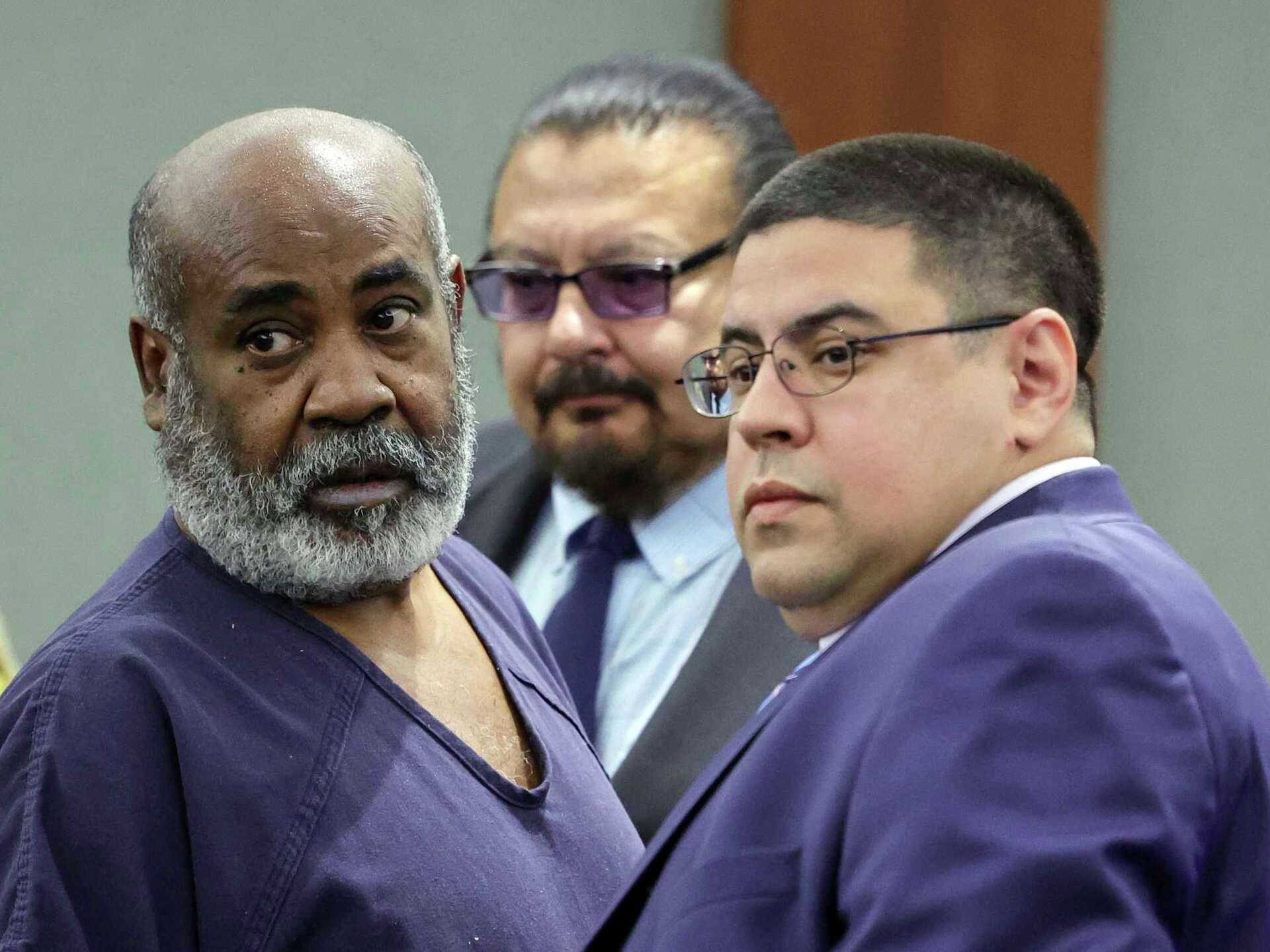
Consistency can be powerful in court.
The alleged prison call adds another layer. In January 2024, prosecutors claimed that an intercepted jail conversation referenced “green lights” and discussed individuals cooperating with authorities. That interpretation reportedly contributed to bail being denied.
If jurors hear multiple recorded calls in which Davis appears to discuss the case candidly, the impact could be significant.
But legal proceedings are not decided in headlines. They are decided under strict evidentiary rules. Defense attorneys will likely challenge the authenticity, completeness, and interpretation of any recording presented.

There is also the broader question that has lingered for 27 years: why did it take so long to bring charges?
Nevada has no statute of limitations for murder. Prosecutors are not forced to rush. In many cold cases, time works in favor of the state, especially when suspects speak publicly. Over the years, Davis’s own interviews may have provided the corroboration investigators previously lacked.
Still, an arrest does not equal closure.
Tupac Shakur was more than a recording artist. He was a cultural figure whose influence extended beyond music into politics, idenтιтy, and generational voice. His death created a vacuum filled by speculation and conspiracy theories for decades.

A conviction—if it comes—will answer a legal question. It may not satisfy every lingering doubt about motive, coordination, or broader involvement.
The trial is scheduled for 2026. Prosecutors are expected to rely heavily on the pattern of Davis’s admissions across time, including recorded interviews, his memoir, and now potentially the prison calls. The defense will likely emphasize the absence of physical evidence and argue that public storytelling does not equate to criminal guilt.
In the end, the most compelling witness in this case may be the defendant’s own recorded words.
But whether those words represent an unfiltered confession or a misinterpreted conversation will ultimately be decided in court—not online.
The Tupac case has survived nearly three decades without resolution. Now, for the first time, it may finally face a jury.
Whether that brings justice—or simply another chapter—remains to be seen.


