The discovery of a suspected illegal biological laboratory operating inside a residential home in a quiet Las Vegas neighborhood has raised serious questions about oversight, public safety, and the growing complexity of unregulated private research facilities across the United States.
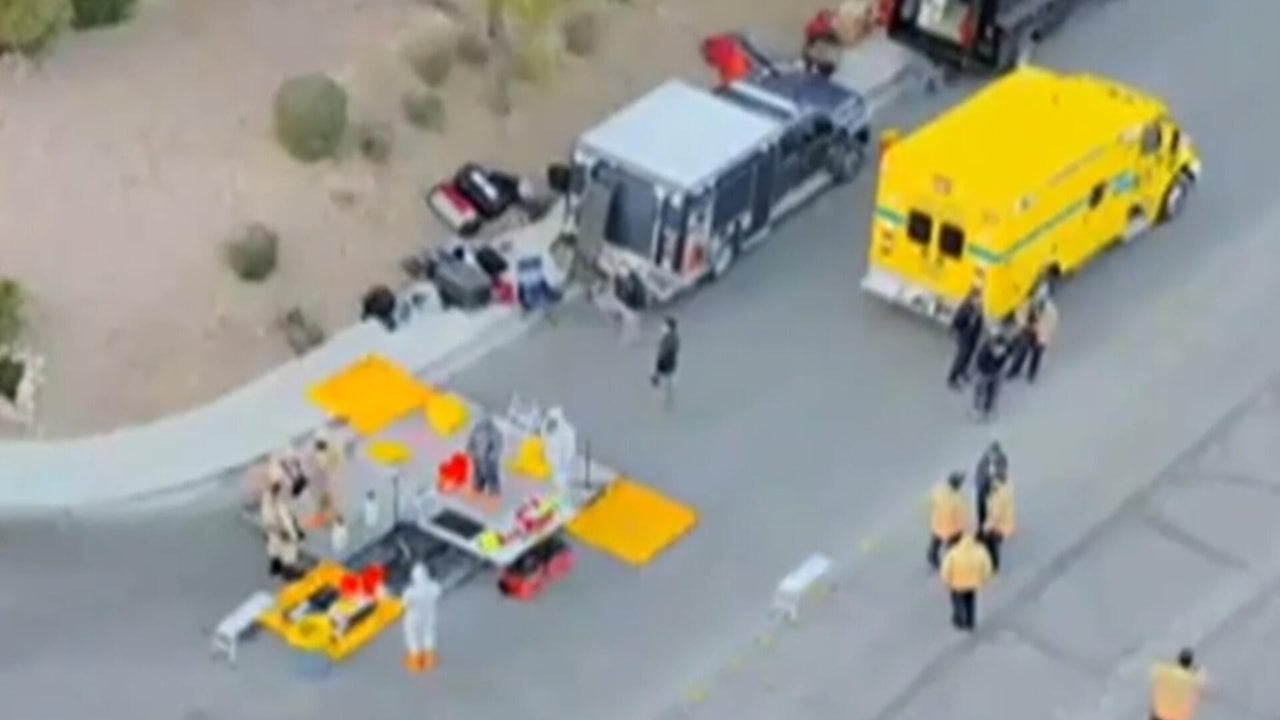
Federal authorities, along with local law enforcement, recently concluded a multi day operation at a home located on Sugar Springs Drive in northeast Las Vegas, uncovering materials that prompted immediate concern and a broader federal investigation.
According to officials from the Federal Bureau of Investigation and the Las Vegas Metropolitan Police Department, the operation involved coordinated resources from Clark County, the City of Las Vegas, and several state and federal agencies.
The goal, authorities said, was to ensure the situation was handled with caution and without risk to the surrounding community.
:max_bytes(150000):strip_icc():focal(745x341:747x343)/las-vegas-biological-lab-1-020426-60f2dc40be2c48e2a9d32c78c6071af3.jpg)
Inside the residence, investigators reportedly found multiple refrigerators containing red brown unknown liquids stored in gallon sized containers, along with refrigerated vials holding unidentified substances.
These discoveries led to the evacuation and sealing of the property while specialists ᴀssessed potential risks.
As details of the case emerged, attention quickly turned to the idenтιтy of the property manager connected to the home.
Arrest records released this week identified the individual as Ori Solomon, a 55 year old Israeli citizen.
According to the report, Solomon managed approximately 37 short term rental properties, including Airbnb style homes, across the region.
Investigators believe the Sugar Springs residence was one of those properties under his management.
Solomon was arrested on charges related to the improper disposal and discharge of hazardous materials.
While authorities have not publicly detailed all evidence supporting the charge, whistleblower statements and investigative findings suggest that the suspected operation inside the home had been active for an extended period.
The arrest report further indicates that Solomon maintained extensive communication with individuals already under investigation for similar activities in California.
One of those individuals is Zhi Zhu, also known as David He, who is currently being held in a California correctional facility while awaiting trial for his alleged involvement in a previously discovered illegal laboratory in Reedley.
Despite being incarcerated, Zhu is believed to have maintained frequent contact with Solomon.
Investigators estimate that Zhu placed nearly 7000 calls from custody, including hundreds to Solomon and thousands more to Wang Xiao Yan, another owner linked to the Las Vegas property.
The connection between the Las Vegas discovery and the earlier Reedley case has drawn renewed attention to how such operations can span multiple states and remain undetected for years.
Officials in Fresno County confirmed that the Las Vegas laboratory shares operational and personal links to the Reedley facility uncovered in 2022, which contained dangerous biological materials and more than 1000 genetically altered mice designed to carry human like traits for testing purposes.
Local leaders in Fresno County said the new discovery did not come as a surprise.
At a joint press conference, county and city officials emphasized that there is currently no active threat to public safety, while acknowledging that gaps in oversight allowed the Reedley operation to persist for years before discovery.
The destruction of the Reedley lab required court intervention and cost local authorities approximately 350000 dollars, an expense officials say unfairly burdened taxpayers.
Reedley City Manager Nicole Zieba reᴀssured residents that none of the biological materials from the Reedley lab remain active.
She confirmed that what is still present inside the building at 850 I Street consists only of state embargoed medical testing kits, including pregnancy and C*vid related tests.
Those materials remain under state authority, leaving the city responsible for securing the building despite having no legal authority to remove or destroy the items.
Since the closure of the Reedley lab, the building has experienced multiple break ins involving vagrants and suspected gang activity.
City officials say the lack of action from the California Department of Public Health has forced local authorities to shoulder security responsibilities without adequate resources or guidance.
This ongoing situation has fueled frustration among residents and local leaders alike.
The Las Vegas case has intensified calls for stronger federal oversight of private laboratories.
Fresno County officials argue that existing regulations are insufficient to identify and shut down illegal research operations before they put communities at risk.
In response, lawmakers have introduced bipartisan legislation aimed at closing regulatory gaps and giving authorities clearer tools to intervene earlier.
One such proposal is H.R.5747, known as the Prevent Illegal Laboratories and Protecting Public Health Act.
Supporters of the bill say it would enhance federal oversight, improve coordination between agencies, and establish clearer standards for identifying unauthorized laboratory activities in residential and commercial properties.
Despite these efforts, many questions remain unanswered.
Chief among them is the purpose behind operating these illegal laboratories.
Investigators have not publicly stated what the ultimate goal of the Las Vegas or Reedley operations may have been.
The presence of dangerous pathogens and genetically modified test subjects has fueled speculation, but officials stress that conclusions will only be drawn after a thorough investigation.
Adding another layer to the case, David He recently dropped a 30 million dollar lawsuit he had filed against the City of Reedley.
The lawsuit alleged damages related to the closure and destruction of the Reedley lab.
:max_bytes(150000):strip_icc():focal(749x0:751x2)/las-vegas-biological-lab-4-020426-1dc2fccbf48e49a88a86c9e6439690a2.jpg)
City officials confirmed this week that the case will no longer move forward, marking a legal victory for the city but leaving broader policy issues unresolved.
Federal investigators continue to examine boxes of paperwork recovered from the Reedley facility, which may provide insight into the scope of operations and potential connections to other locations.
Meanwhile, the FBI has declined to comment on the specifics of its recent sealed warrant activity in Reedley, citing the ongoing nature of the investigation.
Public officials in both Nevada and California continue to emphasize that there is no immediate threat to residents.
However, they acknowledge that the discovery of multiple unregulated laboratories operating in residential areas highlights systemic weaknesses in monitoring and enforcement.
As similar cases come to light, pressure is mounting on state and federal agencies to act decisively.
For now, the Las Vegas property remains under investigation, and residents of the surrounding neighborhood await answers.
What began as a quiet rental home has become the focal point of a multi state inquiry with national implications.
The outcome of these investigations may shape future policies governing private research, property management, and public health protection across the country.
As authorities work to piece together the full picture, one thing is clear.
The discovery of these operations has exposed vulnerabilities that extend beyond any single city or state.
Whether new legislation and increased oversight can prevent similar cases in the future remains to be seen, but local leaders say the cost of inaction is simply too high.


