US Iran War: Saudi Arabia Intercepts 55 Iranian Drones, US Deploys B-1B, B-2 Bombers
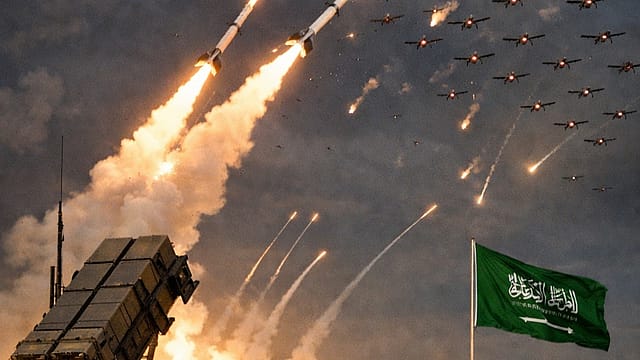
In a dramatic turn of events, Saudi Arabia’s Ministry of Defense has reported the interception and destruction of 55 Iranian drones over the eastern region of the kingdom.
This alarming development comes amid a broader pattern of escalating tensions between Iran and several Gulf nations, including the United Arab Emirates (UAE), where cities like Dubai and Abu Dhabi have also faced similar threats.
The implications of these attacks are profound, not only for the Gulf region but for global geopolitics as well.
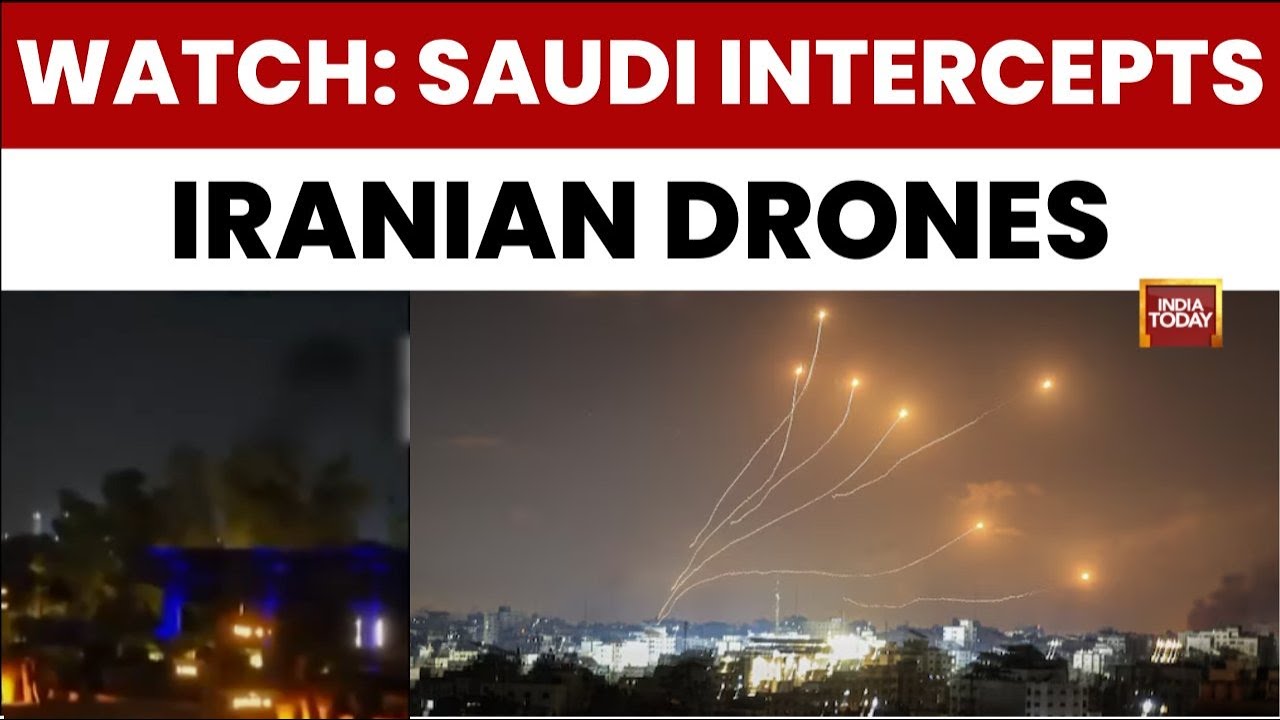
As Iran continues its barrage of drone ᴀssaults, it appears to be attempting to globalize the conflict, seeking to exert pressure on major powers and Israel through its actions in the Gulf.
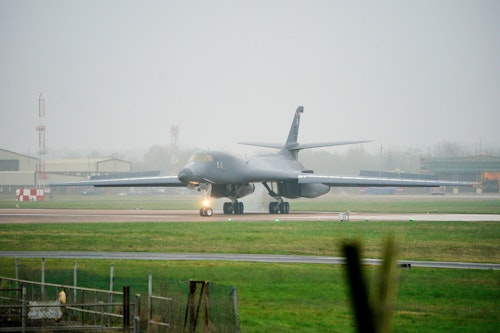
In a show of military might, the United States Central Command has released footage of B-1B Lancer bombers flying over the Middle East.
This deployment is part of Washington’s expanding air campaign aimed at targeting Iranian-linked sites across the region.
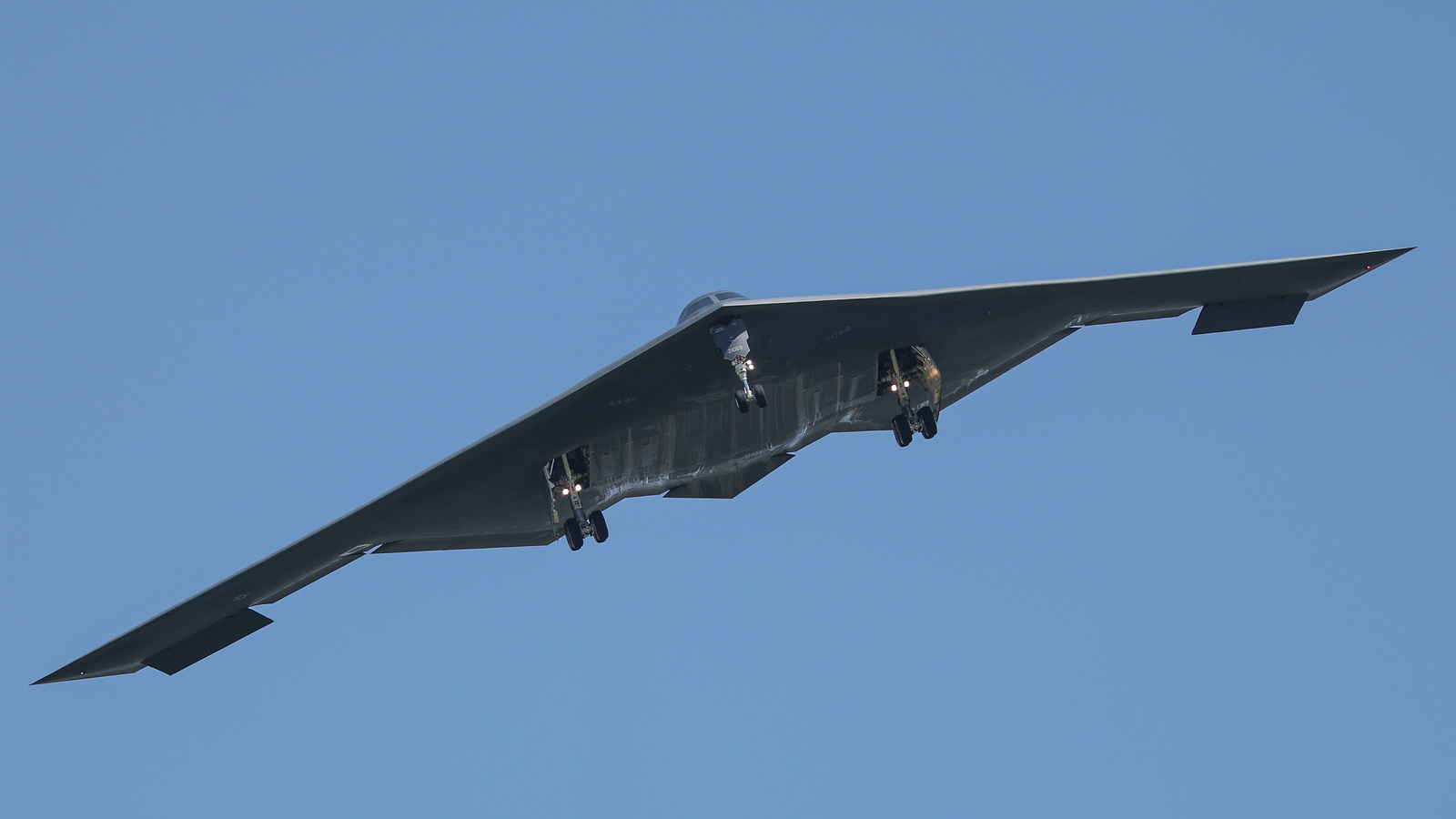
The US military is not holding back, utilizing advanced aircraft, including the B-1B Lancer, B-2 Spirit stealth bomber, and B-52 Stratofortress, all supported by precision-guided munitions and fighter jets like the F-35 Lightning II and F-15E Strike Eagle.
These operations are strategically designed to strike missile launch sites, weapons depots, and drone bases, while simultaneously disrupting Iranian command and control networks.
The Growing Threat of Iranian Drones
The recent interceptions highlight the growing threat posed by Iranian drones, which have become a pivotal element of Tehran’s military strategy.
These unmanned aerial vehicles (UAVs) are not only a cost-effective means of warfare but also provide Iran with a way to project power beyond its borders.
The drones intercepted by Saudi Arabia were likely part of a broader strategy to intimidate neighboring countries and challenge US influence in the region.
The use of drones allows Iran to engage in asymmetric warfare, striking at critical infrastructure without the need for traditional ground forces.
As these tensions rise, the potential for miscalculation increases, raising fears of a broader conflict that could engulf the entire region.
US Military Response
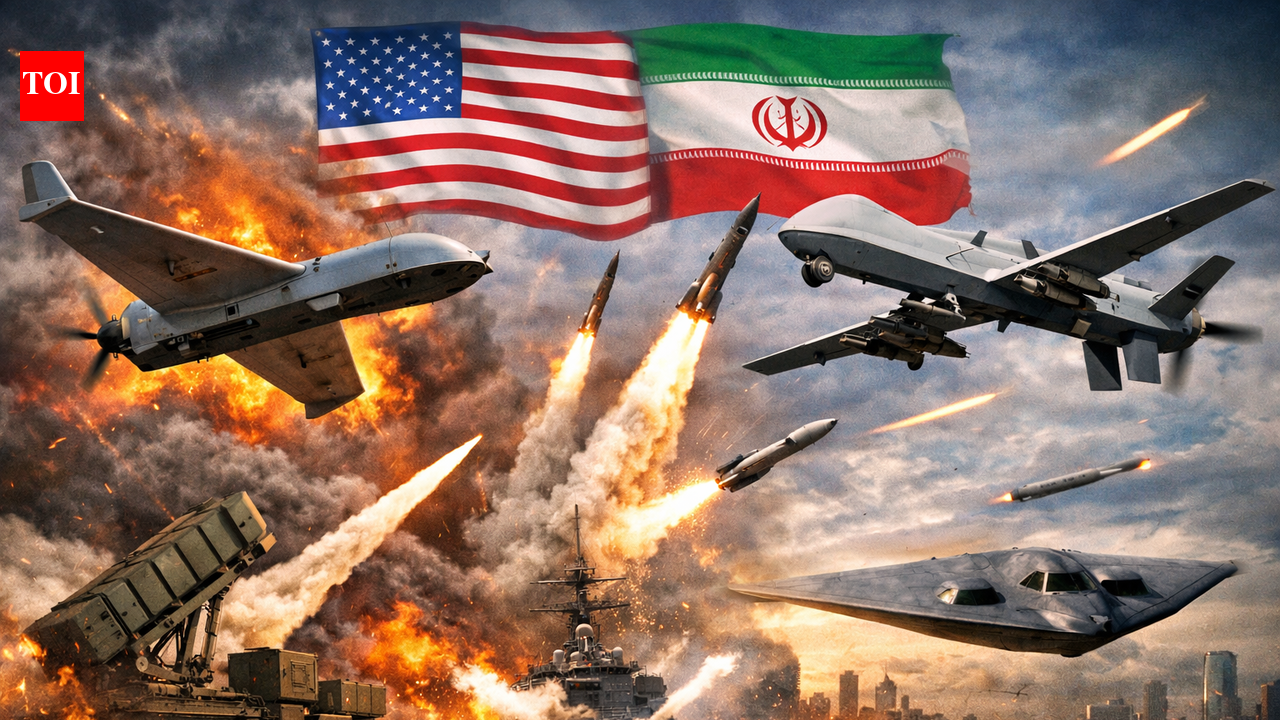
In response to the escalating threats, the US has ramped up its military presence in the Middle East.
The deployment of strategic bombers like the B-1B Lancer is a clear signal to Iran that the US is prepared to act decisively to protect its interests and those of its allies.
The B-1B, known for its long-range capabilities and versatility, is particularly well-suited for precision strikes against ground targets.
The integration of advanced fighter jets such as the F-35 and F-15E enhances the US’s ability to conduct complex operations in a contested environment, ensuring that any Iranian aggression is met with a formidable response.
The US military’s focus on precision-guided munitions reflects a commitment to minimizing collateral damage while maximizing the effectiveness of its strikes.
These operations aim not only to neutralize immediate threats but also to send a strong message to Iran about the consequences of its actions.
Regional Implications
The situation in the Gulf is not just a bilateral issue between the US and Iran; it has far-reaching implications for regional stability.
Gulf nations, particularly Saudi Arabia and the UAE, are increasingly concerned about Iran’s aggressive posturing and its willingness to use proxy forces to achieve its objectives.
The potential for a wider conflict looms large, as Iran’s actions could provoke a military response from not only the US but also from its regional allies.
The involvement of multiple nations in this conflict complicates the situation further, as each country has its own interests and alliances that could come into play.
As tensions escalate, the risk of miscommunication and miscalculation grows, potentially leading to unintended consequences that could destabilize the entire region.
The Broader Geopolitical Landscape
The ongoing conflict between Iran and its adversaries in the Gulf is part of a larger geopolitical struggle that involves major world powers.
The US, as a longstanding ally of Gulf states, has a vested interest in maintaining stability in the region.
However, Iran’s actions challenge this stability and threaten to disrupt global oil supplies, which could have severe economic repercussions worldwide.
The international community is closely monitoring the situation, as any escalation could lead to a broader confrontation with significant implications for global security.
The potential for a military conflict in the Gulf raises questions about the effectiveness of diplomatic efforts to resolve the crisis.
As both sides dig in, the prospect of negotiations seems increasingly remote, leaving military options as the primary means of addressing the ongoing tensions.
Conclusion
The interception of Iranian drones by Saudi Arabia and the subsequent deployment of US bombers represent a significant escalation in the ongoing conflict between Iran and its adversaries.
As both sides prepare for potential military confrontations, the stakes are higher than ever.
The situation remains fluid, with the potential for rapid changes that could alter the course of events in the region.
For now, the world watches and waits, hoping that diplomacy can prevail over military action.
The future of the Gulf region hangs in the balance, as the actions taken in the coming days and weeks could shape the geopolitical landscape for years to come.
As tensions continue to rise, one thing is clear: the conflict is far from over, and the risks of escalation remain ever-present.
In the face of such uncertainty, the need for careful navigation and strategic foresight is paramount.
The eyes of the world are on the Middle East, as the unfolding drama continues to captivate and concern observers globally.


