“From Viral Builds to Viral Backlash: The Polarizing Rise of Emelia Hartford”
In the hypercharged world of automotive social media, few names ignite debate as quickly as Emelia Hartford.
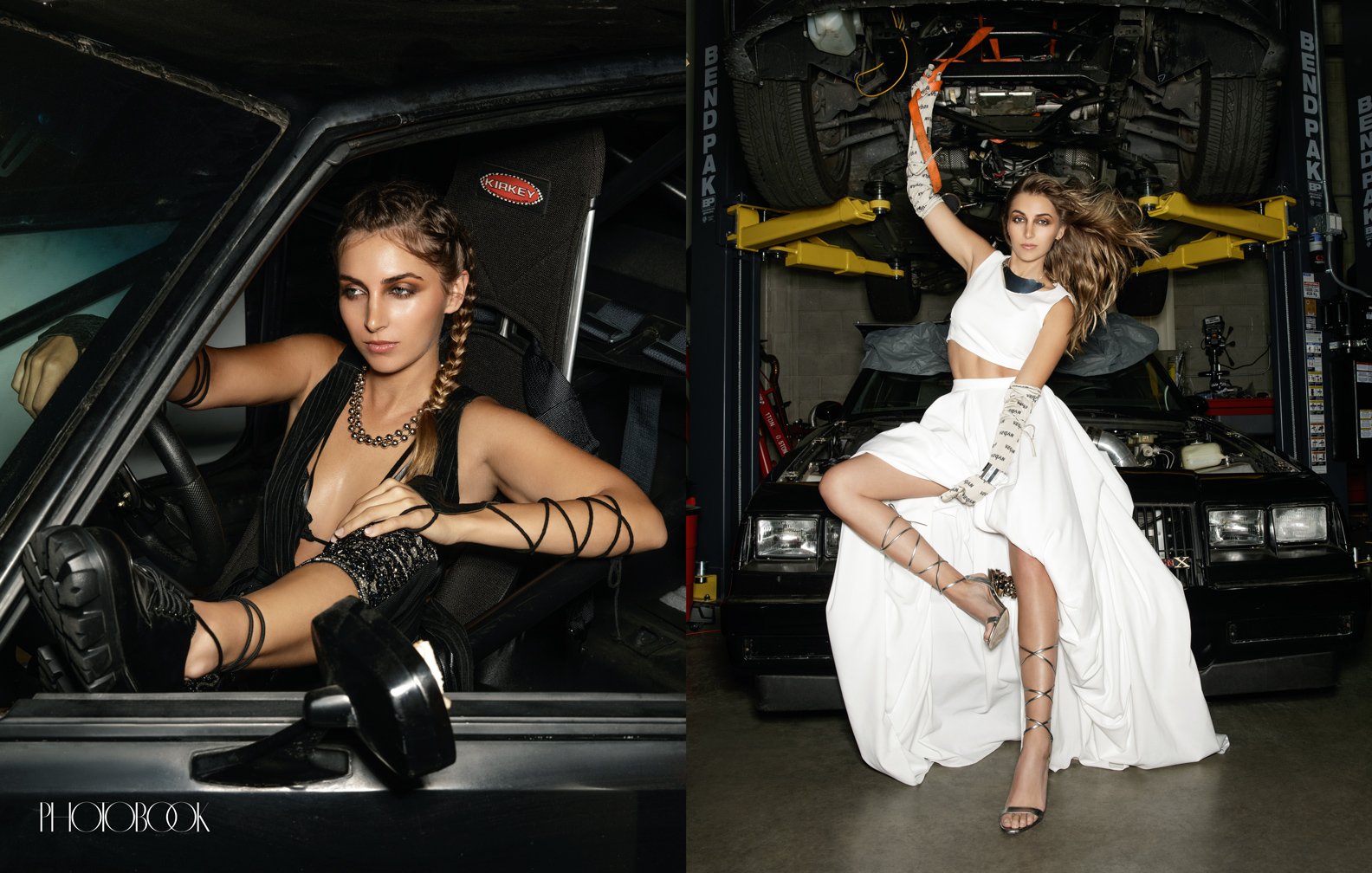
With millions of followers across platforms, viral build projects, and a résumé that stretches from YouTube garages to Hollywood film sets, Hartford has built a brand around horsepower, hustle, and high-risk ambition.
But alongside the roaring engines and record-setting runs, a different narrative has emerged — one that has led some critics to label her the “most hated car influencer” online.
It’s a dramatic claim.
And like most internet-fueled reputations, it lives somewhere between perception and reality.
Hartford’s rise was anything but traditional.
She didn’t inherit a racing dynasty or emerge from a corporate-backed development program.
Instead, she leveraged YouTube and Instagram, filming hands-on car builds, wrenching in her own garage, and documenting the unpredictable rollercoaster of performance tuning.
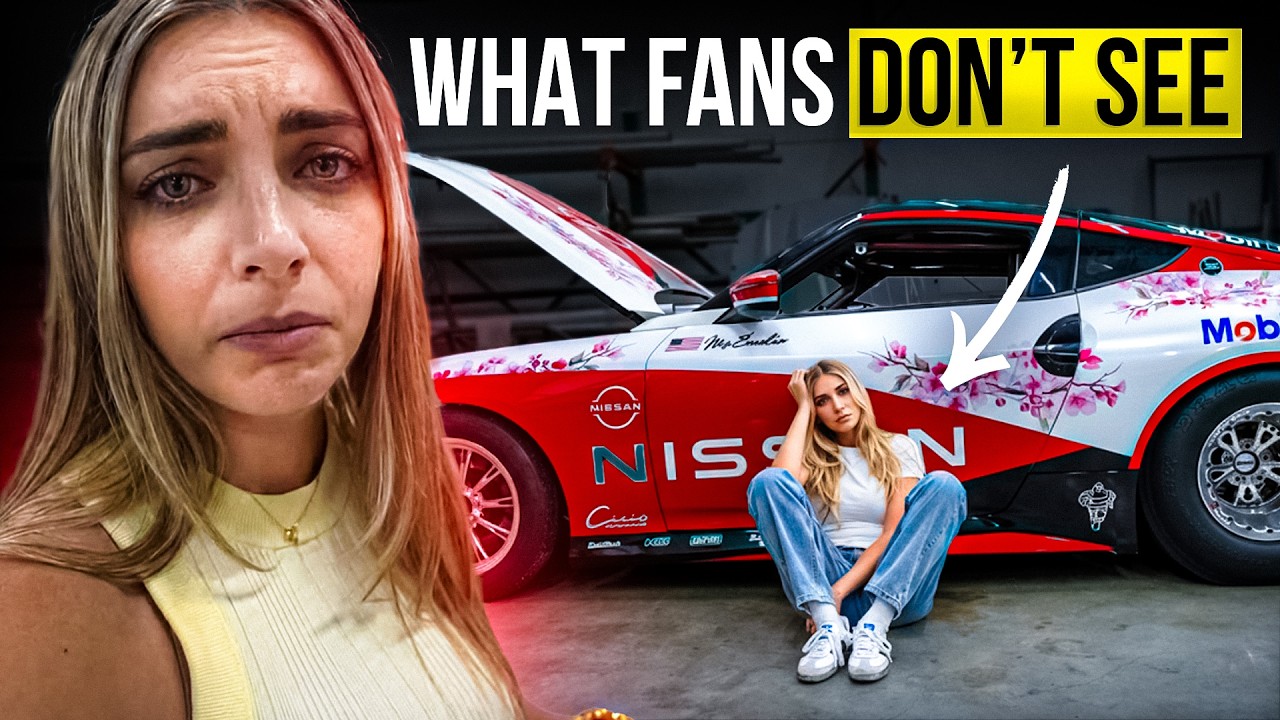
Viewers watched her push project cars to their limits — sometimes triumphing, sometimes detonating engines in spectacular fashion.
The formula worked.
Transparency, vulnerability, and adrenaline proved magnetic.
Her channel grew rapidly, pulling in viewers who were drawn not just to speed, but to the authenticity of someone learning, failing, and trying again on camera.
Yet as her audience expanded, so did scrutiny.
The automotive community has long been protective of its culture.
It is a space where technical knowledge carries weight, credibility is earned through experience, and authenticity is constantly tested.
When Hartford’s builds began drawing mainstream attention — and when she set a Guinness World Record for the fastest Chevrolet Corvette C8 in the standing half-mile — admiration and skepticism arrived in equal measure.
Supporters celebrated the accomplishment as proof that social media creators could compete with established shops and race teams.
Critics questioned the depth of her mechanical involvement, suggesting that behind-the-scenes professionals deserved more credit.
The debate spilled into comment sections, podcasts, and automotive forums.
This tension reflects a broader shift in car culture.
The rise of influencers has blurred the line between enthusiast and entertainer.

Where previous generations built reputations through track records and industry credentials, today’s personalities often build them through algorithms and engagement metrics.
For Hartford, that shift has been both a launchpad and a lightning rod.
Her critics argue that influencer culture prioritizes spectacle over substance.
They point to dramatic thumbnails, high-energy edits, and emotional reactions as evidence of performance designed for clicks rather than craftsmanship.
They question whether viral moments overshadow the technical complexity of serious motorsport.
Her defenders counter that Hartford’s transparency about mistakes — including blown engines and failed builds — demonstrates real engagement with the mechanical process.
They argue that documenting setbacks publicly requires a level of authenticity that traditional racing teams rarely expose.
The friction intensified as Hartford’s profile expanded beyond YouTube.
She appeared in major film productions, including a role in the blockbuster franchise Fast X, part of the long-running Fast & Furious series.

For some fans, this crossover into Hollywood signaled success and validation.
For others, it fueled suspicions that the brand had eclipsed the garage.
Visibility changes perception.
When a creator crosses from niche enthusiasm into mainstream recognition, the audience shifts.
What once felt like an intimate community becomes a public stage.
With scale comes polarization.
There’s also an undeniable gender dynamic at play.
The automotive world remains male-dominated, and female creators often face heightened scrutiny.
Hartford has spoken openly in past interviews about confronting skepticism and dismissive atтιтudes early in her career.
Critics may insist their objections are purely technical, but the online discourse frequently drifts into personal territory that extends beyond horsepower and torque figures.
The “most hated” label, however, oversimplifies a complex reality.
Hate is loud.
Algorithms amplify outrage.
A handful of viral threads can create the illusion of universal backlash.
Yet Hartford’s continued growth suggests that admiration and curiosity outweigh hostility.
What makes the narrative compelling is not whether she is loved or disliked, but why the debate persists.
Part of the answer lies in expectations.
Automotive purists often measure credibility by decades of track performance, formal engineering background, or professional racing pedigree.
Influencer success disrupts that hierarchy.
When a content creator achieves record-setting speed or mainstream visibility, it challenges traditional gatekeeping structures.
Another layer involves the economics of modern car culture.
Sponsorships, merchandise, brand deals — these are no longer exclusive to professional racers.
Influencers monetize personality as much as performance.
That reality can generate resentment among those who spent years climbing conventional ladders.
Hartford’s projects themselves have fueled conversation.
Her builds often aim for extremes — mᴀssive horsepower numbers, daring speed attempts, ambitious timelines.
High ambition increases the likelihood of high-profile setbacks.
When engines fail publicly, critics pounce.
When records are set, skeptics dissect conditions and qualifications.
This cycle is the essence of digital-era reputation.
Every triumph invites scrutiny.
Every mistake becomes permanent archive.
Yet through the noise, Hartford has continued to produce content, collaborate with established shops, and pursue new challenges.
That persistence suggests a thicker skin than headlines imply.
The question “most hated?” may say more about internet culture than about Hartford herself.
Online ecosystems reward intensity.
Nuanced discussion rarely trends.
Polarized framing — hero versus fraud, pioneer versus poser — drives engagement.
In reality, the automotive community is vast.
It contains track purists, drift enthusiasts, electric innovators, restoration artists, and weekend hobbyists.
Hartford’s audience represents just one segment of that ecosystem — those drawn to the fusion of storytelling and speed.
Her Hollywood crossover further complicates perception.
Traditional enthusiasts sometimes view mainstream exposure as dilution of authenticity.
Yet car culture has always intersected with entertainment, from televised races to blockbuster franchises.
The difference today is the direct-to-audience pipeline that social media enables.
Hartford’s trajectory illustrates that transformation vividly.
She moved from wrenching on modest builds to commanding millions of views per upload.
That arc inspires some and irritates others.
It is also worth noting that controversy itself sustains visibility.
The debate over her credibility keeps her name circulating in forums and comment sections.
In a digital landscape driven by attention, even criticism can function as fuel.
Still, beneath the spectacle lies a fundamental question: what defines legitimacy in modern car culture?
Is it lap times? Dyno sheets? Engineering degrees? Or is it the ability to ignite pᴀssion in a new generation of enthusiasts?
Hartford’s supporters argue that she has introduced countless young viewers to performance tuning and automotive experimentation.
Critics argue that viral framing risks oversimplifying the craft.
Both perspectives can coexist.
What remains undeniable is that Emelia Hartford occupies a visible, influential space in automotive media.
Whether admired, debated, or doubted, she is rarely ignored.
And perhaps that is the true measure of impact.
In a culture built on combustion and compeтιтion, intensity is inevitable.
The same pᴀssion that fuels engines fuels opinion.
Hartford’s story sits at the intersection of tradition and transformation — a case study in how digital platforms reshape industries once defined by physical track records.
The “dark side” may not be scandal or secret, but scrutiny itself.
When visibility grows, shadows lengthen.
Every decision, partnership, and public statement becomes material for analysis.
For Hartford, the path forward likely involves the same formula that built her platform: risk, resilience, and relentless content creation.
Whether critics soften or sharpen their stance, the engines will keep revving.
And as long as they do, the debate will too.


