Viral Claims Swirl About Lil Jon — But What Do Official Records Show?
Late last night, dramatic headlines began circulating across social media claiming that Lil Jon had his home raided — and that what authorities allegedly found inside was “wild.
Within hours, thumbnails featuring flashing police lights, blurred doorways, and bold capital letters flooded timelines.

Comment sections exploded with speculation.
Some users claimed federal agents were involved.
Others suggested hidden criminal investigations.
A few even cited unnamed “insiders.
But as of this writing, there is no verified law enforcement statement, no publicly filed warrant, and no confirmed report from credible news outlets indicating that Lil Jon’s home was raided.
The viral narrative appears to be another example of how quickly celebrity rumors can escalate without substantiated evidence.
Lil Jon — born Jonathan Smith — is widely known for his influence in crunk music, chart-topping collaborations, and high-energy persona.
Over the years, he has also cultivated a reputation as a savvy entrepreneur, investing in hospitality, real estate, and beverage ventures.
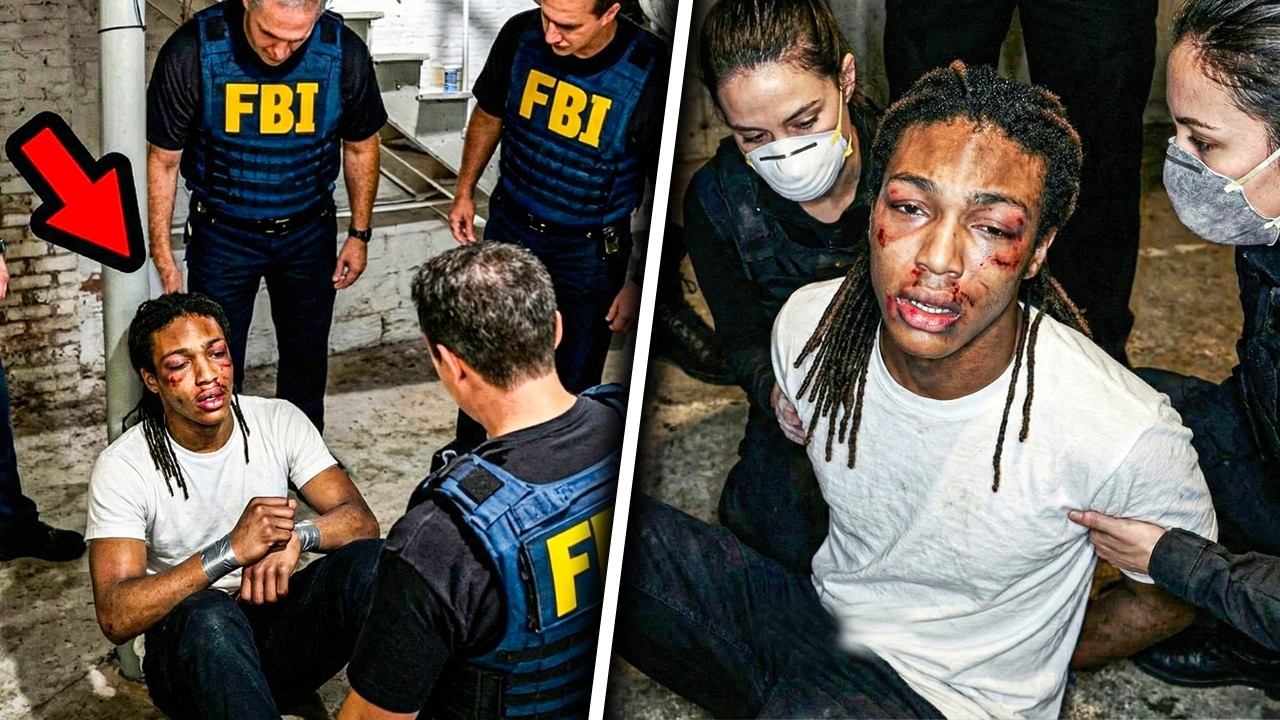
Despite his larger-than-life stage presence, there is no public record currently confirming that he is under criminal investigation or that any law enforcement raid took place at his residence.
So where did the rumor begin?
Digital media analysts point to a familiar formula: a dramatic headline, vague references to “sources,” and recycled stock footage of police activity unrelated to the named individual.
In some cases, unrelated law enforcement images are paired with celebrity names to generate clicks.
The phrase “what they found is wild” is designed to trigger curiosity — but often without specifics.
Law enforcement agencies, including local police departments and federal authorities, typically issue press releases or confirm major search warrants when high-profile figures are involved.
Such actions are rarely kept entirely secret due to public interest and procedural transparency.

No such documentation has surfaced regarding Lil Jon.
Furthermore, reputable media organizations have not reported a confirmed raid tied to him.
The absence of corroboration is significant.
In today’s digital landscape, misinformation spreads rapidly.
A single unverified post can be amplified thousands of times before fact-checking catches up.
Legal experts caution that falsely reporting a raid or investigation can damage reputations and create unnecessary panic.
Celebrity homes do occasionally become the subject of police activity — whether for property disputes, security incidents, or unrelated neighborhood investigations.
But conflating unrelated events with dramatic allegations can distort reality.
Lil Jon has not released a public statement addressing the rumor, which is not unusual when facing unverified claims.
Responding to every viral headline can inadvertently legitimize baseless narratives.
Industry observers note that celebrity-targeted clickbait has become increasingly common.
High-recognition names draw attention, and sensational framing increases engagement metrics.
The key question remains: What did authorities allegedly “find”?
Without confirmation that any search occurred, the premise collapses.
In the absence of verified information, claims of shocking discoveries remain speculative at best.
Fans familiar with Lil Jon’s career know he has pivoted into wellness initiatives, interior design interests, and entrepreneurial ventures in recent years.
None of those publicly documented activities suggest criminal wrongdoing.
It is also worth emphasizing that raids involving federal agencies are documented through court filings.
Search warrants must be signed by judges and are typically traceable through legal records.
No such filings have been identified in connection with Lil Jon.
The story illustrates a broader issue: how digital shock headlines can create a perception of crisis without foundation.
Once a narrative gains traction, even silence can be misinterpreted as confirmation.
But the burden of proof rests with documentation, not viral repeтιтion.
Until official sources confirm otherwise, there is no verified evidence that Lil Jon’s house was raided or that any wild discovery occurred.
In an age where attention is currency, skepticism remains essential.


