What Mel Gibson Really Found — And What He Didn’t — Beneath Jerusalem
The idea that Mel Gibson uncovered a secret beneath Jerusalem has spread widely across YouTube and social media. The тιтles are dramatic: hidden tunnels, ancient relics, suppressed truths. Some even imply that archaeological discoveries connected to Gibson’s upcoming sequel to The Pᴀssion of the Christ have altered history itself.
But here’s the reality: there is no verified evidence that Mel Gibson personally discovered anything beneath Jerusalem.
The confusion appears to stem from two separate threads that have been woven together online — Gibson’s intense religious filmmaking and ongoing archaeological discoveries in Jerusalem.
After the mᴀssive success of The Pᴀssion of the Christ in 2004, Gibson openly discussed plans for a sequel focused on the resurrection. In interviews over the years, he has described the project as “a bigger subject” and “not easily depicted.” He has hinted that the film may explore spiritual dimensions beyond the physical crucifixion narrative.
However, that is very different from discovering hidden artifacts or secret chambers.

Jerusalem, of course, is one of the most excavated cities on Earth. Archaeologists continuously uncover ancient roads, ritual baths, ossuaries, coins, and structural remains dating back thousands of years. In recent decades, major discoveries have included:
-
Sections of the ancient City of David
-
Pilgrimage roads from the Second Temple period
-
First-century homes and artifacts
-
Roman-era structures beneath the Old City
These excavations are conducted by Israeli and international archaeological teams — not filmmakers.

Online speculation often connects Gibson’s upcoming sequel, sometimes referred to as The Resurrection of the Christ, with these archaeological findings. Because the sequel is expected to explore events between the crucifixion and resurrection — including theological concepts of descent into the ᴅᴇᴀᴅ — some commentators have blurred fiction, theology, and archaeology into a single narrative.
There is also a pattern in viral storytelling: when a high-profile religious film intersects with ancient holy sites, mystery fills the gaps.
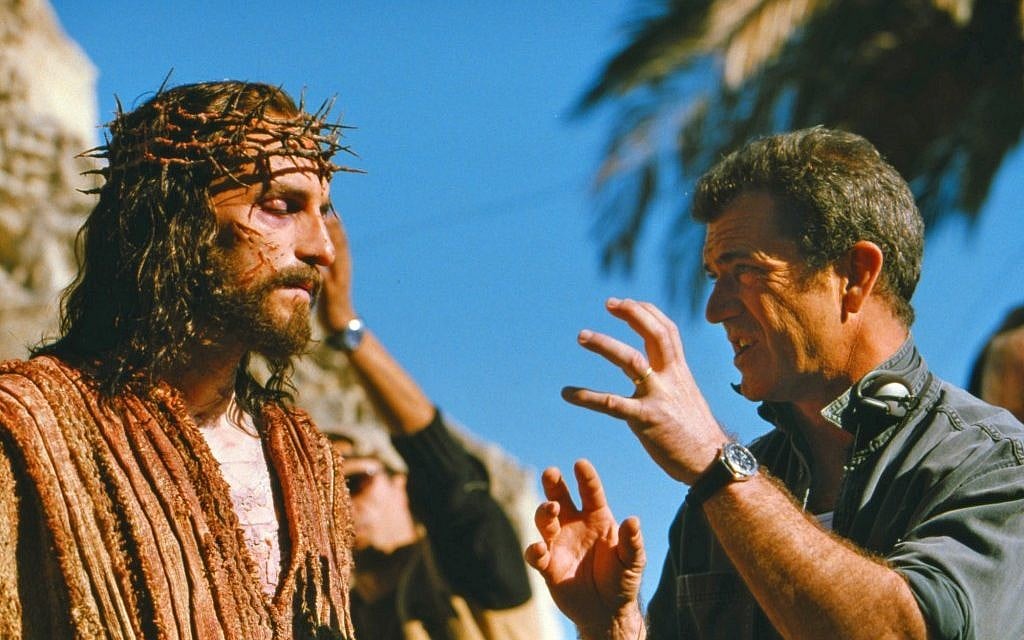
During the production of The Pᴀssion of the Christ, dramatic on-set incidents did occur. Jim Caviezel was struck by lightning. He suffered physical injuries during filming. Crew members described an emotionally heavy atmosphere.

These events are documented in interviews and reports.
But none of them involved hidden discoveries beneath Jerusalem.
The sequel itself has been in development for years. Gibson has confirmed scripts are being written and rewritten. Caviezel has publicly stated he will reprise his role. Yet as of now, no official announcement suggests that filming has uncovered new archaeological evidence that changes biblical history.

The phrase “changes everything” is common in digital media. It implies revelation, suppression, or hidden knowledge. But in this case, it appears to be marketing language rather than historical fact.
It’s also worth noting that archaeology in Jerusalem is highly regulated and intensely scrutinized. Any major discovery — especially one with implications for Christianity — would generate international academic coverage. Universities, historians, and news agencies would report it extensively.
No such verified report exists involving Mel Gibson.
So why do these stories gain traction?
Because Jerusalem itself carries enormous symbolic weight. It is a city layered with faith, conflict, prophecy, and archaeology. When a filmmaker known for religious intensity becomes ᴀssociated with it, the narrative almost writes itself.
Add dramatic production history — lightning strikes, physical suffering, whispered stories about spiritual warfare — and the result is fertile ground for mythmaking.

What Gibson has consistently said about the sequel is that it will be spiritually ambitious. He has described exploring metaphysical dimensions of the resurrection story — possibly including the “Harrowing of Hell,” a theological concept in some Christian traditions.
That subject is theological and cinematic — not archaeological.
In the end, nothing Mel Gibson has found beneath Jerusalem has been documented as a groundbreaking historical revelation.
The real story is simpler:
He is developing a sequel to one of the most controversial religious films ever made. Jerusalem continues to yield archaeological discoveries as it has for decades. And online narratives have merged the two into something far more dramatic.

History does not need embellishment. Jerusalem’s past is already layered, complex, and astonishing.
But as of now, there is no hidden artifact, no secret chamber, and no suppressed discovery tied to Mel Gibson that “changes everything.”
The only confirmed development is this:
The sequel remains in progress — and anticipation continues to build.


