He first appeared in the story as a cultured European with a soft accent and impeccable manners, a man who claimed he met Lee Harvey Oswald out of simple curiosity. But the more I examined George de Mohrenschildt’s life, the less “simple” anything seemed.
Born into aristocracy in what is now Belarus, George Sergius de Mohrenschildt was not a drifter or a fringe figure. His father had been a nobleman tied to oil interests in the Black Sea region before the Russian Revolution uprooted the family. The Bolsheviks scattered them across Europe and eventually into the United States. By the late 1930s, George had arrived in America with education, charm, and connections that would quietly place him near the center of power.

He studied petroleum geology and international affairs, drifting easily between elite circles. He moved in and out of high society, dated into the Bouvier family, and was known to Jacqueline Bouvier—years before she became Jacqueline Kennedy. He married wealthy women, socialized with Texas oil magnates like H.L. Hunt and Clint Murchison, and secured contracts in the volatile world of international oil exploration. None of this resembled the orbit of a random acquaintance of a future accused ᴀssᴀssin.
In Dallas, he joined the Petroleum Club and developed ties that brushed up against intelligence figures and oil executives alike. His background alone suggested something more strategic than accidental ᴀssociation. By the early 1960s, he had a résumé that included work in Eastern Europe, Yugoslavia, and Haiti—regions of intense geopolitical interest during the Cold War. He claimed to be a geologist and businessman. Others quietly described him as an intelligence ᴀsset.

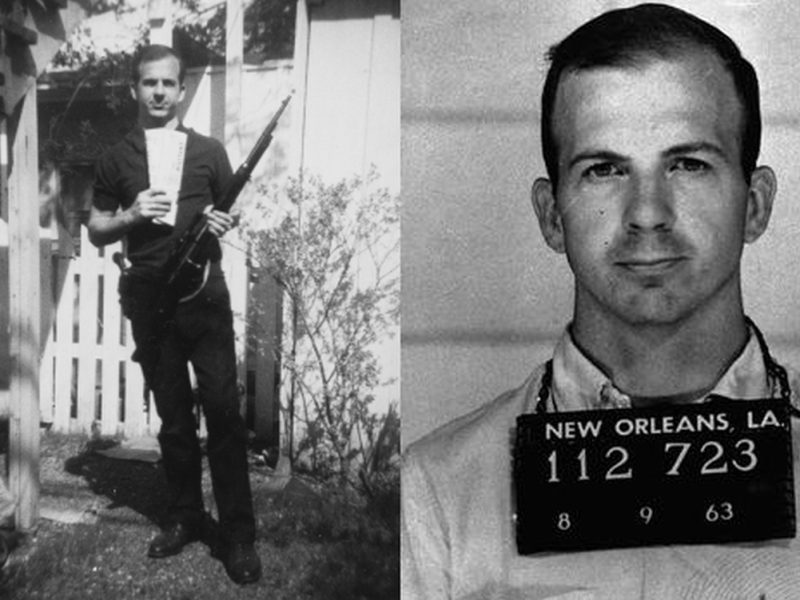
When Lee Harvey Oswald returned from the Soviet Union in 1962, it was de Mohrenschildt who stepped forward to befriend him. The question that lingered was why.
Oswald was a former Marine who had defected to the USSR, married a Russian woman, and returned to the United States under circumstances that were, at best, unusual. To most Dallas residents, he was an oddity. To de Mohrenschildt, he was someone worth cultivating. He introduced Oswald to members of the local Russian émigré community. He and his wife socialized with the young couple. They attended gatherings together. He even helped Oswald secure employment.

De Mohrenschildt later told investigators that he found Oswald intriguing but unstable. Yet he maintained contact long enough to become one of the most important early witnesses linking Oswald to the infamous rifle. In testimony, he recounted seeing a weapon in the Oswald home and even jokingly asking Lee whether he had taken a sH๏τ at General Edwin Walker. According to him, Oswald reacted strangely.
That single anecdote would echo for decades.
After the ᴀssᴀssination of President Kennedy, de Mohrenschildt testified before the Warren Commission for hours—longer than most. He painted himself as a peripheral figure, a curious socialite who drifted away from Oswald months before the shooting. Officially, that was where his role ended.
But his life did not settle into obscurity.
He continued traveling, working in oil ventures abroad, including in Haiti during the reign of François “Papa Doc” Duvalier. There, political intrigue swirled around American interests and covert maneuvering. His presence in such unstable regions raised questions about whether his ᴀssignments were purely commercial.
By the mid-1970s, as congressional investigations reopened scrutiny into the Kennedy ᴀssᴀssination, de Mohrenschildt’s name resurfaced. Investigators for the House Select Committee on ᴀssᴀssinations sought to interview him again. Around the same time, journalists began tracking him down.
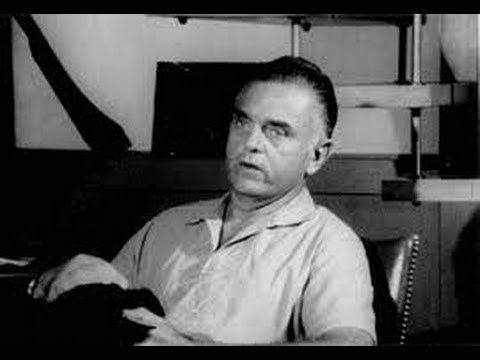
He appeared increasingly distressed. Friends described him as anxious and fearful. He reportedly believed he was being watched. He wrote a letter to then–CIA Director George H. W. Bush in 1976, pleading for ᴀssistance and describing harᴀssment and surveillance. Bush replied formally, stating there was no evidence of government interest in him.
Days later, before he could testify to congressional investigators, George de Mohrenschildt was found ᴅᴇᴀᴅ from a sH๏τgun wound to the head in Florida. The death was ruled a suicide.
For some, that conclusion closed the chapter. For others, it opened a new one.

The timing was difficult to ignore. A man with documented intelligence connections, oil ties spanning continents, and a firsthand relationship with Oswald had died just as Congress prepared to question him again. His mental state had reportedly deteriorated after medical treatments and personal tragedies. Whether that decline was natural or influenced remains a matter of debate.
What remains undeniable is the pattern of proximity. De Mohrenschildt’s life intersected with aristocratic Europe, Texas oil dynasties, intelligence agencies, and the family of the future First Lady. He was not a fringe eccentric wandering into history by accident. He moved comfortably among power brokers and political players.
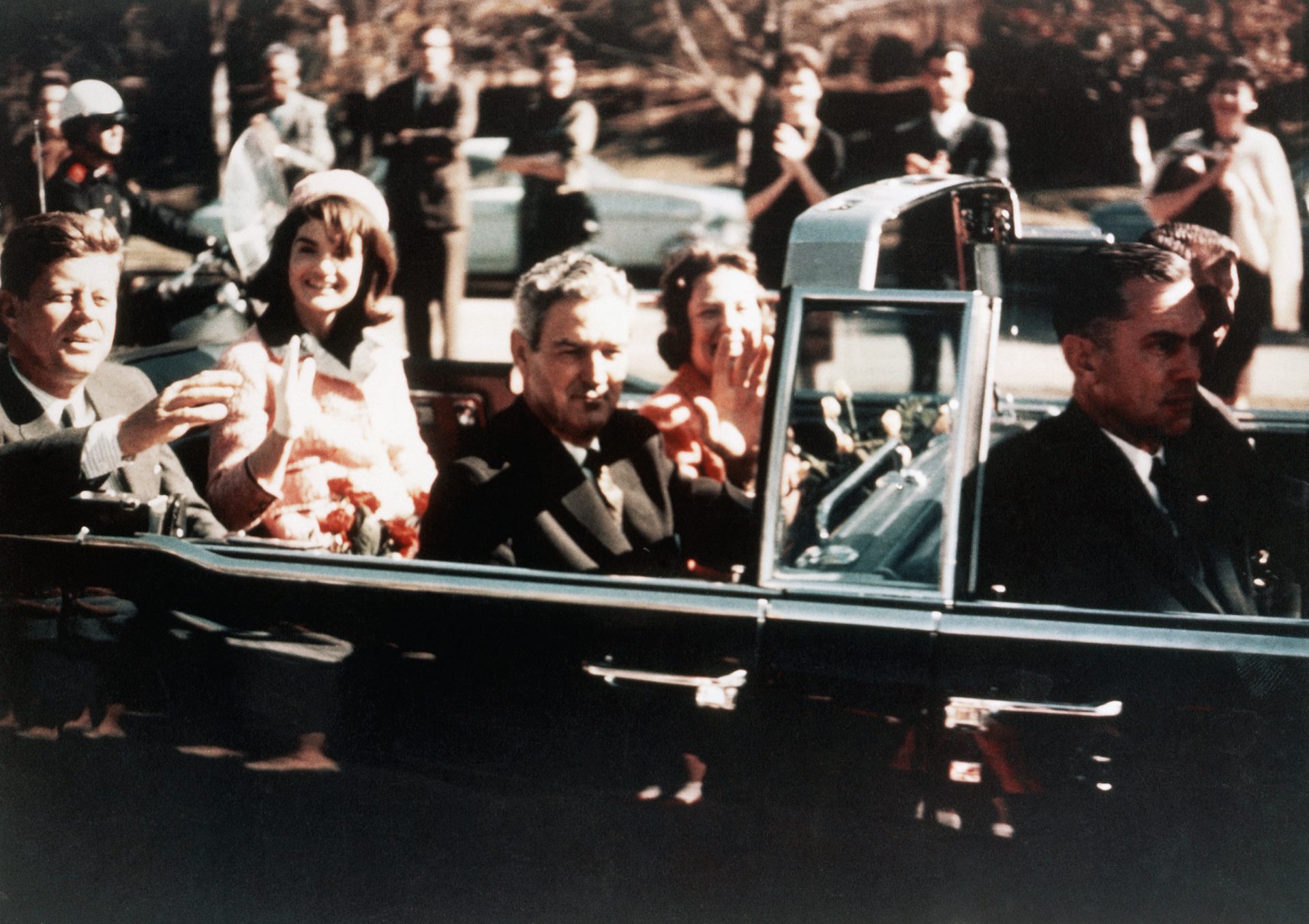
If Oswald was the lone drifter portrayed in official accounts, it is difficult to explain how someone like de Mohrenschildt entered his life so deliberately. The friendship was not casual. It was facilitated, sustained, and later downplayed.
History often hides complexity beneath simplified narratives. In this case, the “friend” who vouched for a rifle and joked about political violence was also a man of global entanglements and secretive ventures. His death ensured that whatever more he might have revealed would remain speculation.
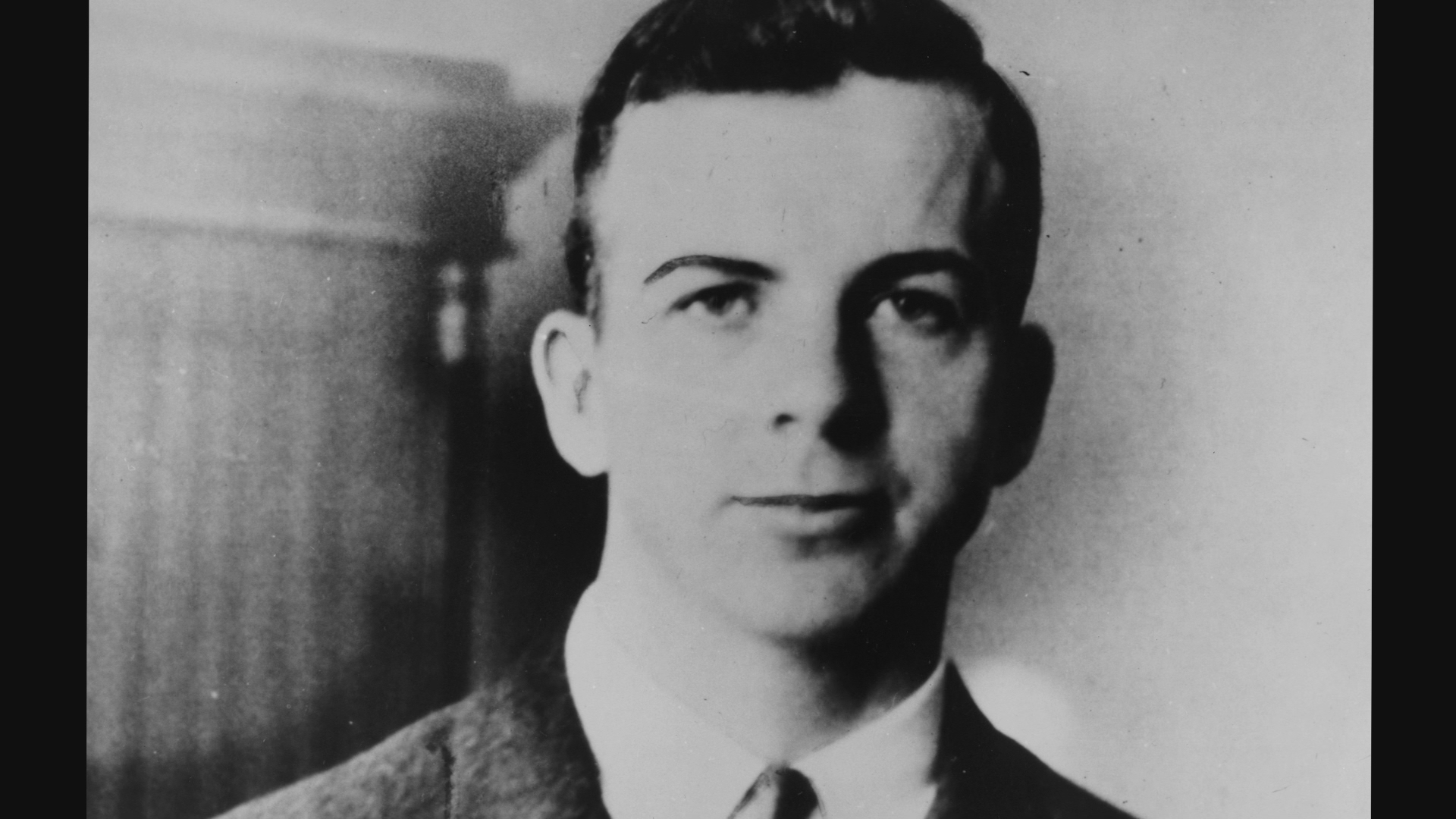
When evaluating the ᴀssᴀssination of President Kennedy, it is tempting to isolate individuals into neat categories: ᴀssᴀssin, witness, bystander. George de Mohrenschildt resists that classification. He stands at a crossroads of oil, intelligence, and politics—smiling politely in pH๏τographs while the deeper story churned beneath.
The official version says he was merely a social acquaintance. But the record of his life suggests something far more layered.
And in a case built on fragments and fading testimony, losing a witness like him—at precisely the moment he was needed—remains one of the most haunting details of all.


