Woman Shows Up at Bishop William Murphy II’s Church With “Prophetic Warning,” Sparking Controversy and Concern
A disturbing and highly controversial scene recently unfolded at The Dream Center Church in Atlanta, overseen by Bishop William Murphy II, when a woman arrived claiming she had been sent by God with a prophetic warning.
What followed was a series of public declarations that shocked listeners, unsettled church leadership, and ignited fierce debate online about prophecy, accountability, and spiritual boundaries within the modern church.
According to video footage, the woman directly addressed Bishop Murphy, repeatedly declaring that he was “in trouble with God.”
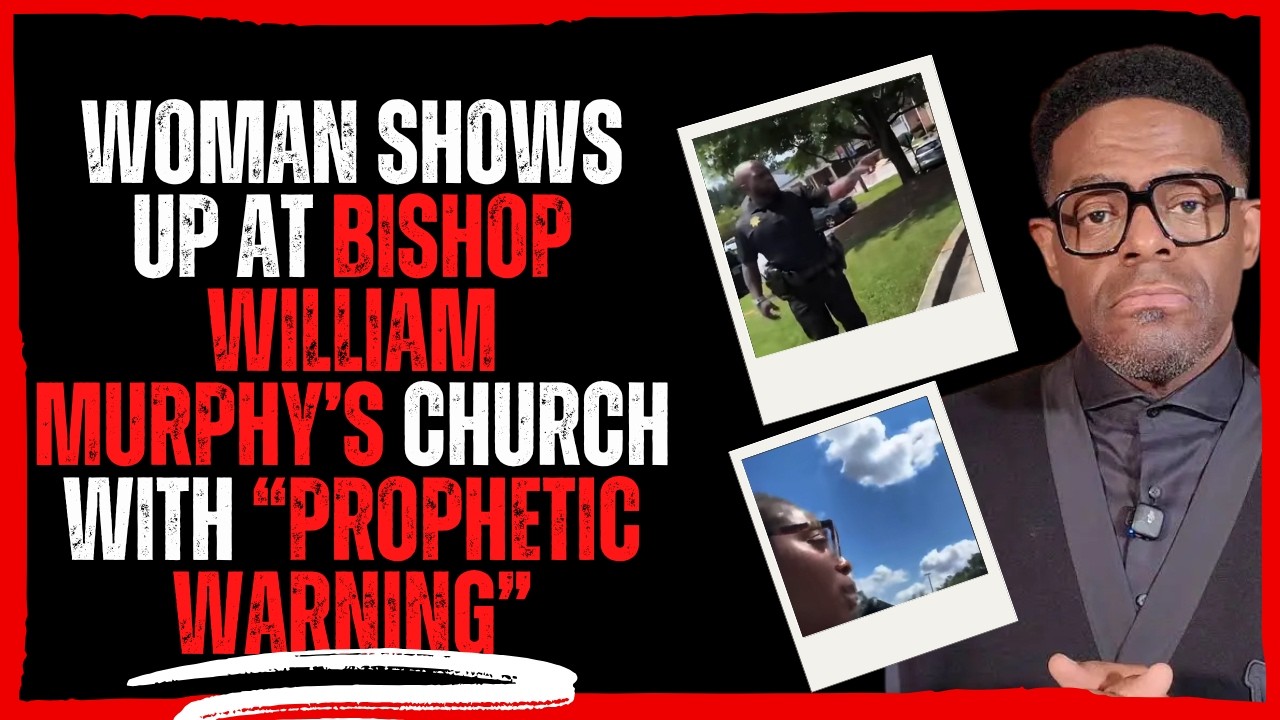
While insisting that God still loved him, she claimed she had been sent as a divine messenger to warn him—and others—against involvement in fraternities and sororities.
She alleged that such organizations represented demonic covenants and false gods, repeatedly questioning whether church leaders and members belonged to them.
Her message was relentless and urgent.
She accused Bishop Murphy of being spiritually aligned with pagan deities, naming figures such as Apollo, Anubis, and Asherah, and specifically referenced his membership in Omega Psi Phi Fraternity Incorporated.
According to her claims, this affiliation placed him under divine judgment.

She went further, ᴀsserting that “judgment of death” had already been scheduled against the bishop unless he repented and renounced his fraternity ties.
These declarations were not whispered privately or shared discreetly with leadership.
They were delivered loudly, emotionally, and repeatedly—both inside the church premises and later outside in the parking lot.
Although church personnel calmly instructed her to continue her message outside, she maintained that she was obeying a divine ᴀssignment and insisted that the warning must be delivered publicly.
The woman framed her actions as obedience, not disruption.

She repeatedly emphasized that she had waited until after the service ended and insisted she did not intend to disturb worship.
Even as the parking lot emptied, she continued recording herself, stating that she would “tag the church” online so the message would still reach its intended audience.
Central to her warning was the claim that fraternities, sororities, Freemasonry, and organizations such as Eastern Star required oaths to false gods.
According to her, anyone involved in these groups—whether clergy or congregation members—was spiritually compromised and in danger unless they immediately “came out” and broke what she described as demonic covenants made during initiation rituals.
What alarmed many viewers most was the severity of her language.

She did not merely call for repentance or theological reconsideration; she pronounced specific judgments, including death, and claimed confirmation from unnamed prophets who allegedly received similar revelations.
These ᴀssertions pushed the incident beyond theological disagreement into deeply troubling territory.
The reaction online was swift and polarized.
Some viewers praised the woman for boldness, interpreting her message as an uncompromising stand against spiritual compromise.
Others expressed grave concern, arguing that her actions reflected spiritual delusion rather than divine authority.

Many questioned whether such public declarations aligned with biblical standards for prophecy, discernment, and order within the church.
Critics also raised ethical concerns.
Publicly declaring death judgments against a pastor, they argued, is spiritually irresponsible and potentially dangerous.
Scripture, they noted, repeatedly warns against false prophecy, self-appointed messengers, and fear-driven declarations that lack accountability or confirmation through church leadership.
Supporters of Bishop William Murphy II pointed out that fraternity membership among Black clergy has long been a complex cultural and historical issue, often tied to education, community service, and civil rights leadership rather than religious worship.
They rejected the notion that such affiliations automatically equate to idol worship or demonic allegiance.
Church leaders and theologians responding to the incident emphasized the importance of spiritual discernment.
While Christianity affirms that God can speak through individuals, it also teaches that prophecy must be tested, weighed, and judged—not blindly accepted, especially when it brings condemnation rather than restoration.
The incident also reignited a broader conversation about how churches should handle disruptive individuals who claim prophetic authority.
Where is the line between free expression of belief and spiritual harᴀssment? How should churches protect congregations while still remaining open to correction and accountability?

Ultimately, this confrontation was less about one woman or one bishop and more about the fragile balance between spiritual zeal and spiritual responsibility.
It exposed the growing tension within Christianity between personal revelation and communal discernment—and highlighted the danger of unchecked prophetic claims in an age where social media amplifies everything.
Whether viewed as a divine warning or a troubling display, the moment left a lasting impression.
It forced believers to confront an uncomfortable question: when someone claims to speak for God, who decides whether they truly do?


