Ohio Worship Pastor Accused of Killing Wife, Staging Home Invasion
A Dayton-area pastor once known for leading worship services and appearing on national television is now at the center of a chilling murder case that has stunned his church and community.
Caleb Flynn, a worship leader and pastor in the Dayton, Ohio region, has been charged with murder, felonious ᴀssault, and tampering with evidence in connection with the death of his wife, 37-year-old Ashley Flynn. Prosecutors allege that what was initially reported as a home invasion was, in fact, a staged crime scene designed to cover up something far more deliberate.
Ashley Flynn was widely described as a beloved volleyball coach, subsтιтute teacher, and devoted mother.
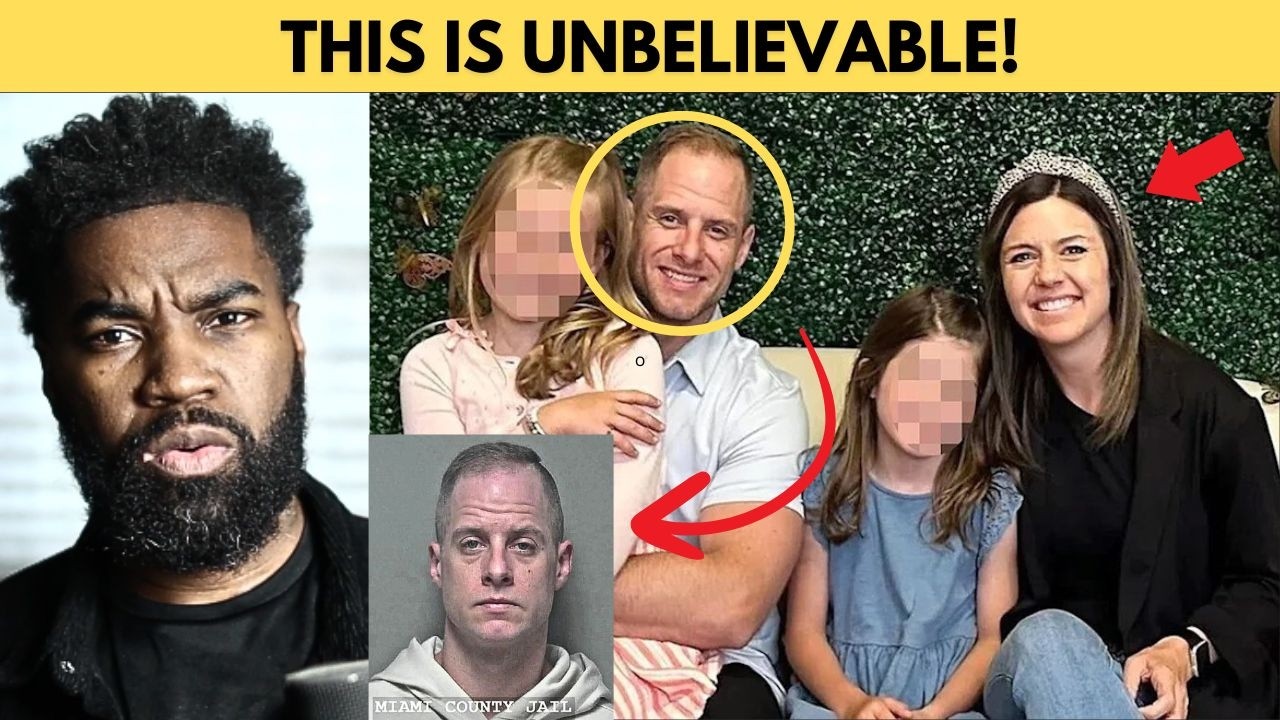
Friends and colleagues painted a picture of a warm, engaged community member who poured herself into her students and her family. She and Caleb shared children together, and by all outward appearances, they were a ministry-focused family deeply embedded in church life.
That image shattered in the early morning hours of February 17, 2026.
Around 2:00 a.m., a 911 call was placed from the Flynn residence. In the recording, Caleb can be heard telling the dispatcher that someone had broken into the home. He claimed a door had been forced open and pleaded for help, saying his wife was in bed and unresponsive. Their daughters were inside the house at the time.
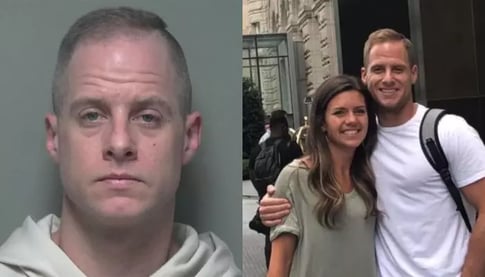
Responding officers arrived to find Ashley ᴅᴇᴀᴅ. Early statements suggested a burglary gone wrong. However, investigators quickly began to question the scene. According to authorities, physical evidence did not fully align with the claim of an outside intruder. Flynn was later charged not only with murder but also with tampering with evidence—an indication that police believe the scene had been manipulated.
At his bond hearing, Flynn addressed the court briefly, telling the judge that he simply wanted to care for his daughters and that he was not a flight risk. The judge set a $2 million bond and ordered that, if released, Flynn would be placed under electronic monitoring and have no contact with his children.
The courtroom moment was brief but emotionally heavy. With their mother deceased and their father behind bars, the Flynn children now face an uncertain future.
As the case develops, newly surfaced court documents have added another layer of scrutiny. According to reports tied to a search warrant affidavit, investigators discovered extensive communication between Flynn and an unidentified woman in the hours leading up to the shooting.
One message, allegedly sent at 12:42 a.m.—less than two hours before the 911 call—read: “It’s almost done.”
Authorities are reportedly examining whether this message could indicate premeditation. Sources familiar with the investigation have stated that communication between Flynn and the unidentified woman intensified as midnight approached. Investigators are also said to be reviewing encrypted messaging platforms as part of their digital evidence analysis.
Law enforcement has not publicly identified the woman referenced in the documents. However, speculation within the community suggests she may have been connected to the church’s worship team. Officials have not confirmed her role or whether she is considered a witness, person of interest, or otherwise.
If proven authentic and contextualized in court, the alleged message could become a critical component of the prosecution’s case.
Flynn’s background has only amplified public reaction. In addition to his pastoral role, he had previously auditioned for American Idol and maintained an active social media presence promoting church events and sermons.
Videos show a smiling, energetic leader inviting congregants to worship services and community programs.
The contrast between that public persona and the criminal allegations has sparked intense discussion about leadership, accountability, and the pressures of ministry life.
Faith leaders across the region have responded cautiously, urging prayer for the Flynn children and for the congregation affected by the arrest. Some have emphasized that tragedy should not be used as an opportunity for condemnation but as a reminder of the importance of integrity and transparency within ministry.
Others have pointed out the broader conversation unfolding nationwide about the personal conduct of high-profile pastors. In an era where church leaders often build significant public platforms, personal failings—alleged or proven—can carry consequences that ripple far beyond a single congregation.
For now, the legal process is just beginning. Prosecutors will need to demonstrate that the evidence—digital records, forensic findings, and any witness testimony—supports the charges beyond a reasonable doubt. Flynn, like any defendant, is presumed innocent unless and until proven guilty in a court of law.
What remains undeniable is the human cost.
A woman described as compᴀssionate and community-centered is gone. Children have lost their mother and are separated from their father as the case proceeds. A church must grapple with the arrest of a man who once stood at its pulpit.
As investigators continue to piece together what happened inside that home, the case serves as a sobering reminder that public appearances can mask private struggles—and that the consequences of alleged deception can be devastating.
The courts will ultimately determine Caleb Flynn’s fate. But for one Ohio family and their surrounding community, the damage has already been done.


